Our Plants
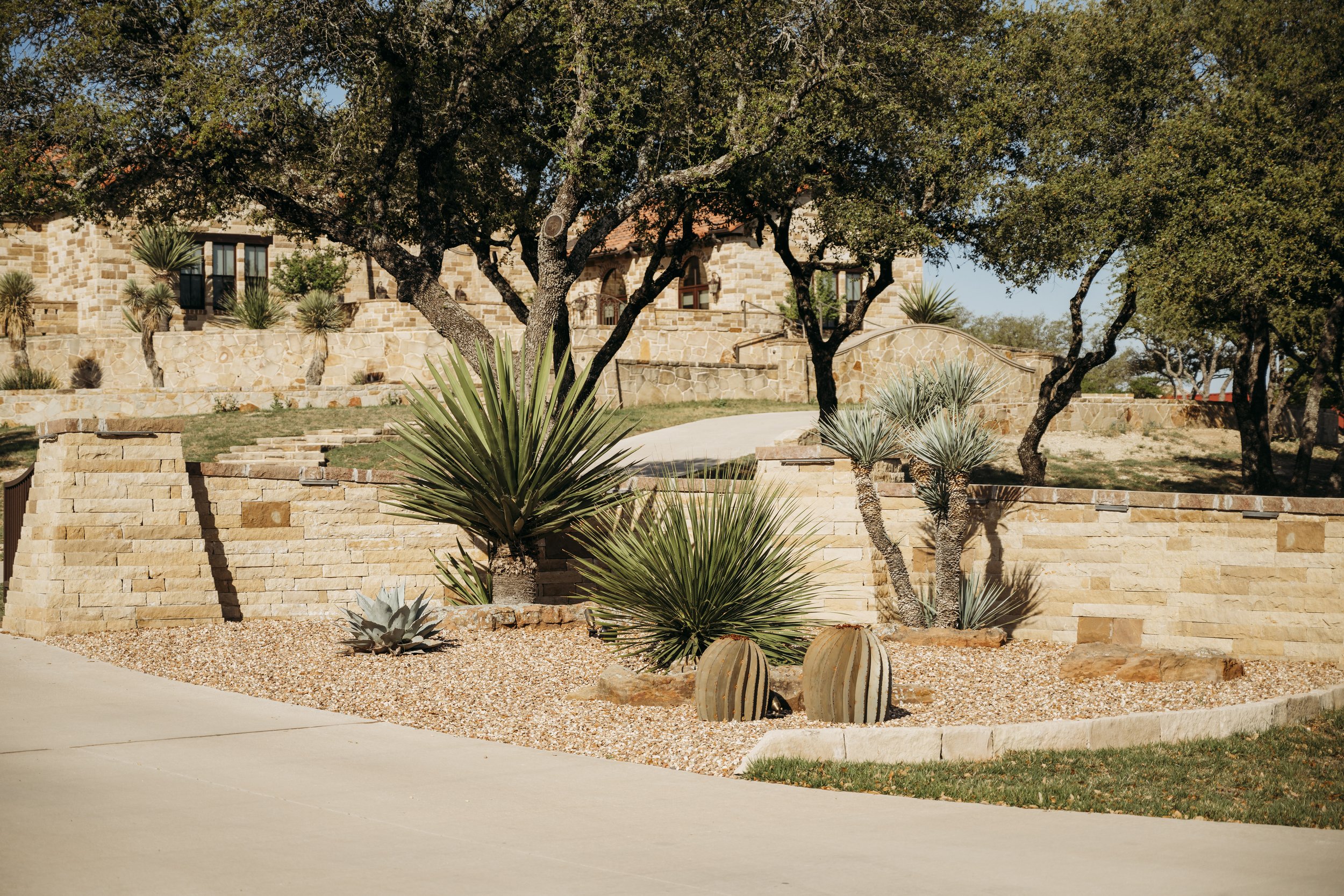
West Texas Plants specializes in wild-harvested plants native to the Chihuahuan Desert. Our inventory includes drought-tolerant species selected for xeriscapes, commercial landscapes, and water-conscious projects throughout the Southwest and beyond.
Adapted to intense sun, low rainfall, and challenging growing conditions, these plants perform well in a wide range of climates when planted in well-drained soil. Each specimen is responsibly harvested to preserve its natural form and character, offering the unique appearance that only wild-grown desert plants can provide.
Yucca Thompson
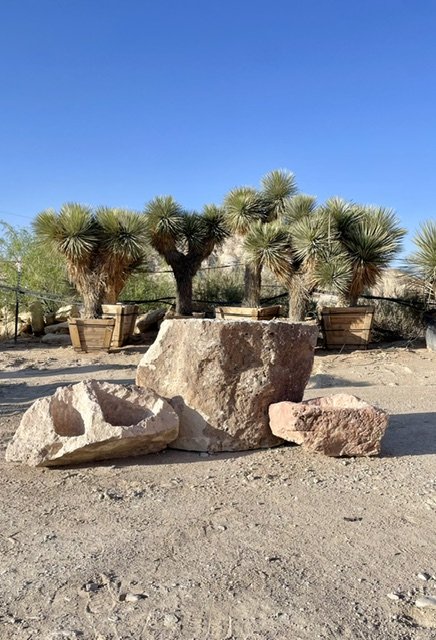
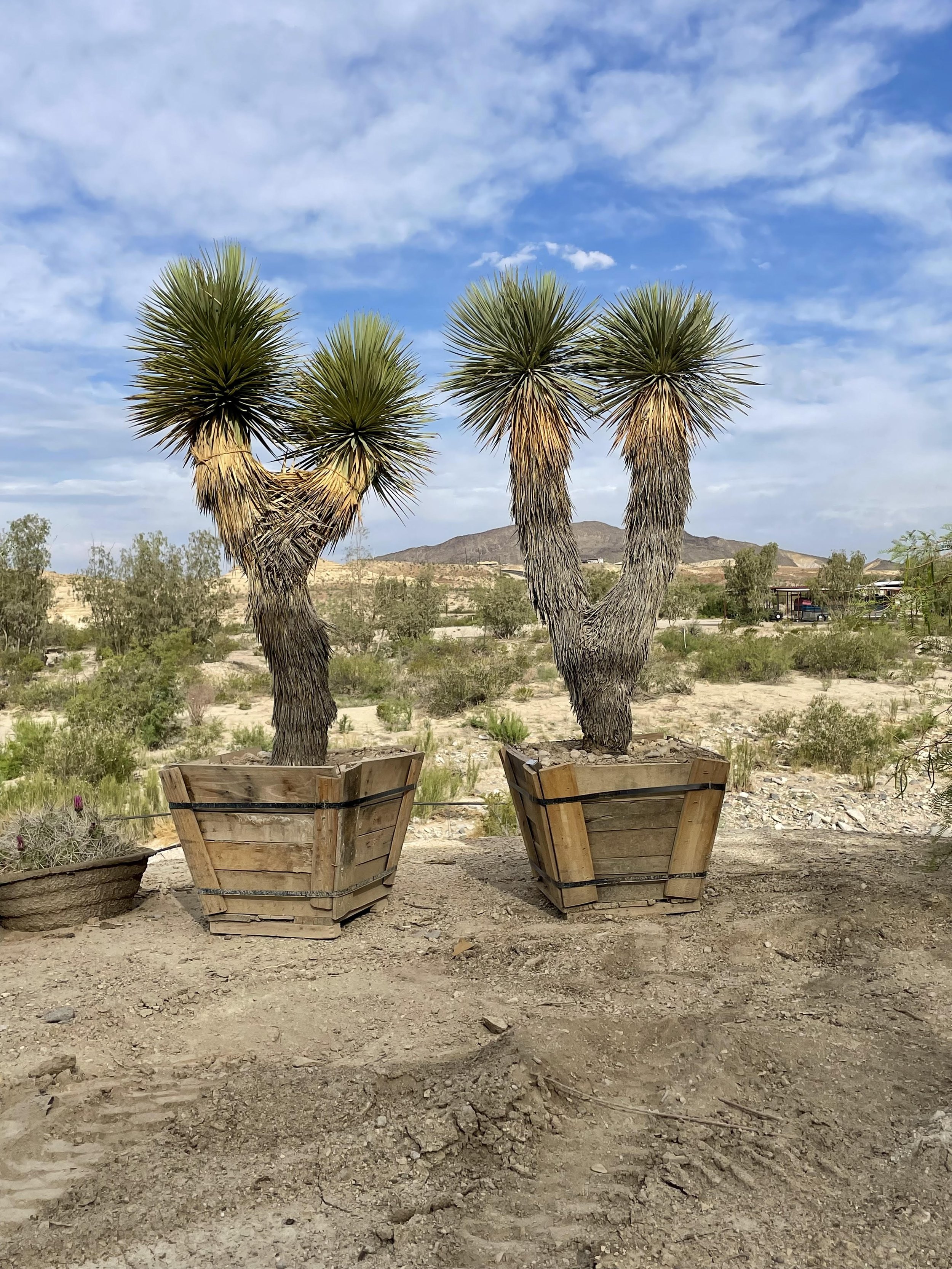
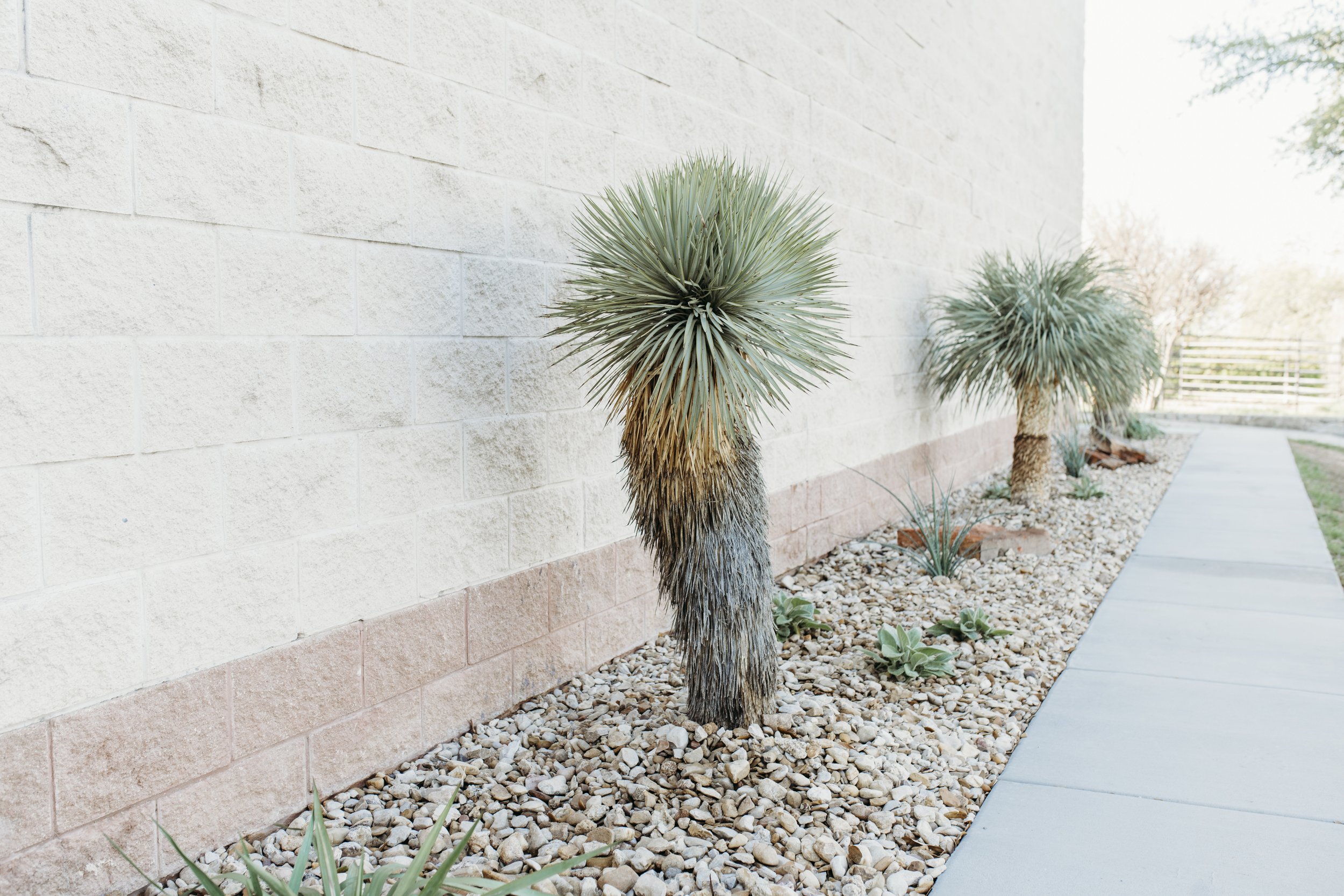
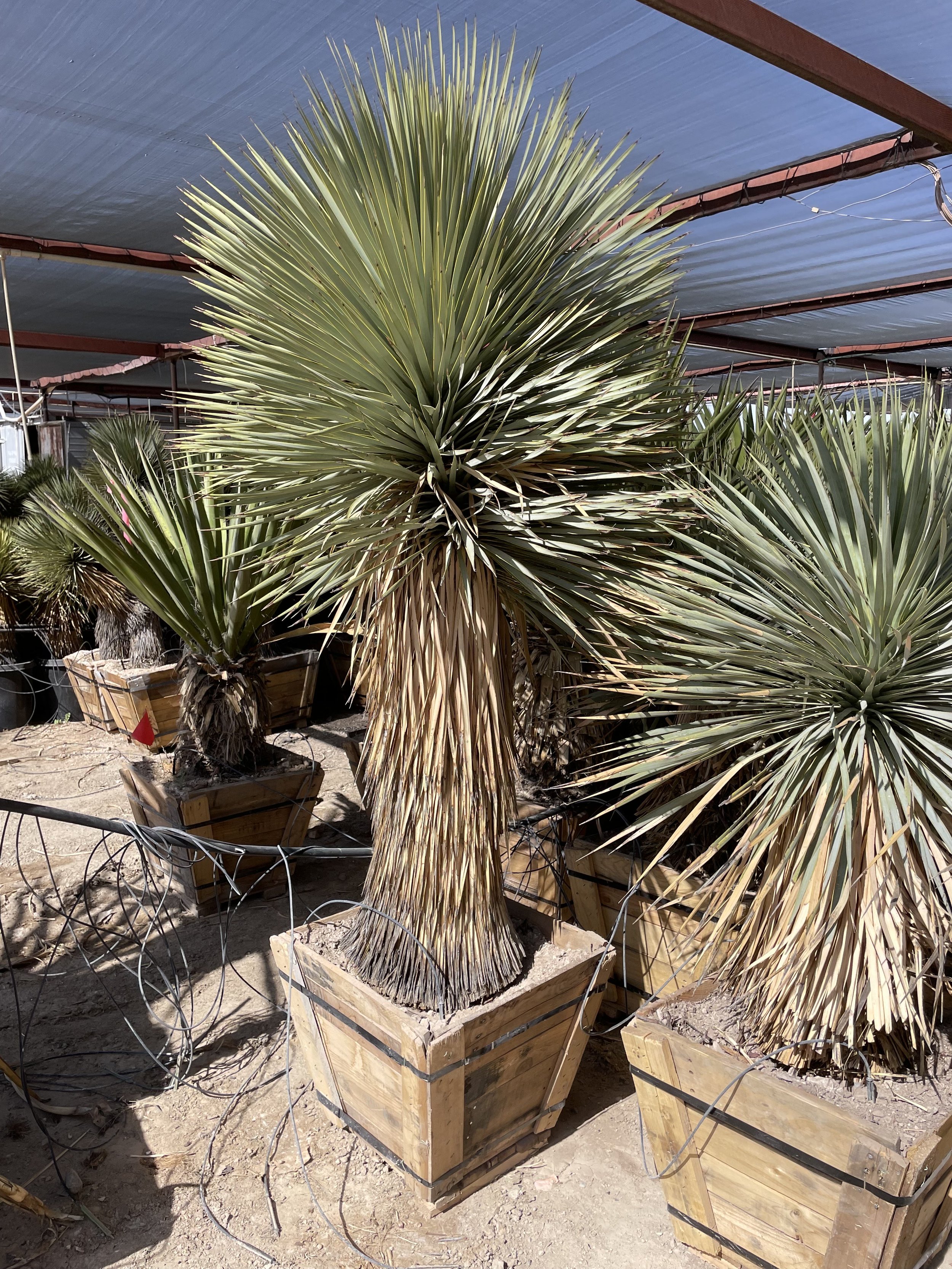
Yucca thompsoniana is our most harvested and most popular plant, available in a wide range of trunk sizes, head counts, and forms. Each specimen is wild-harvested in West Texas, with single-head plants hand-trimmed and multi-head specimens carefully hand-tied before shipping. Often compared to the Yucca rostrata, Y. thompsoniana has a denser, more compact crown. It also shares a branching growth habit similar to a Joshua tree but develops fuller, larger heads.
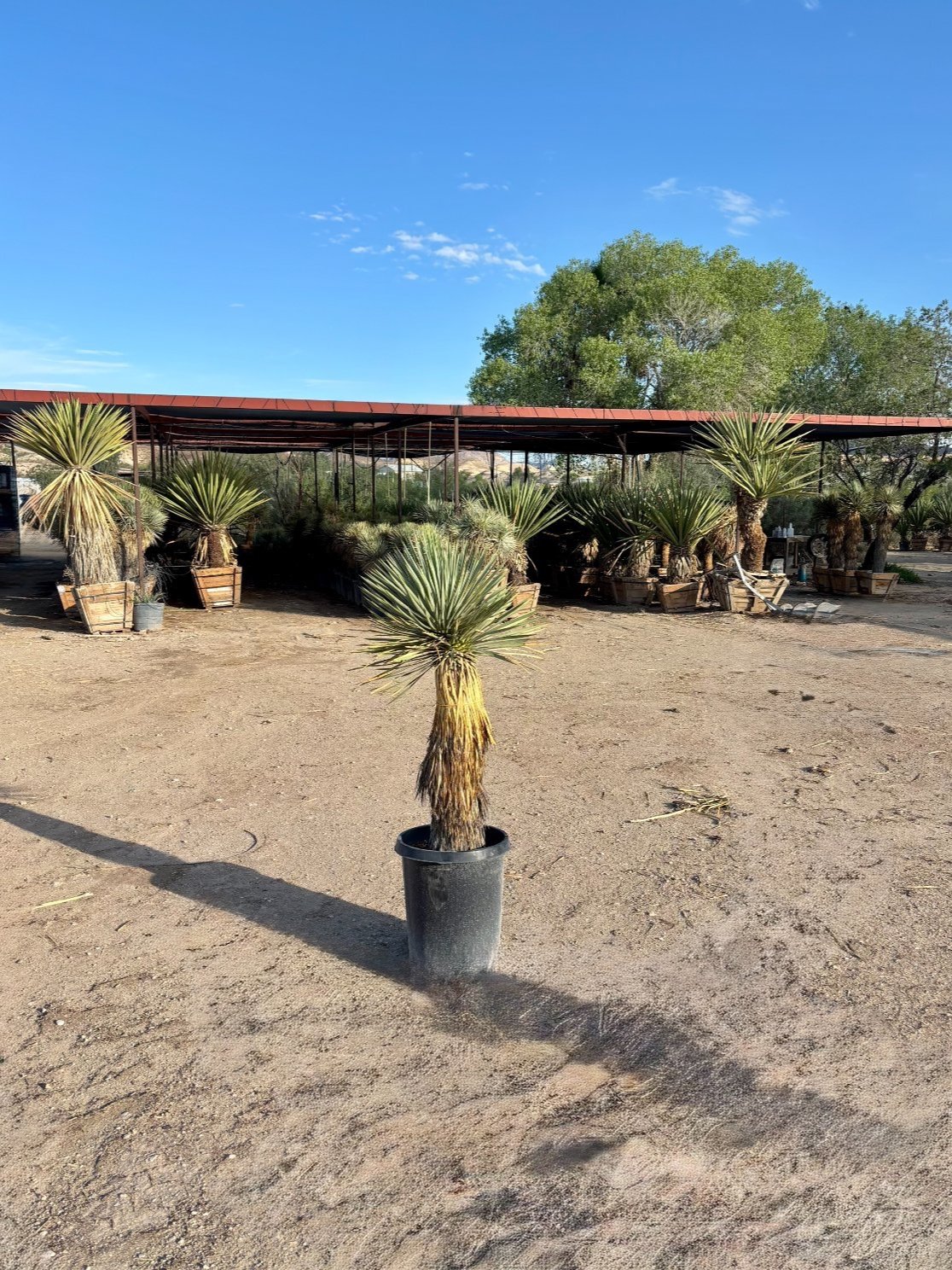
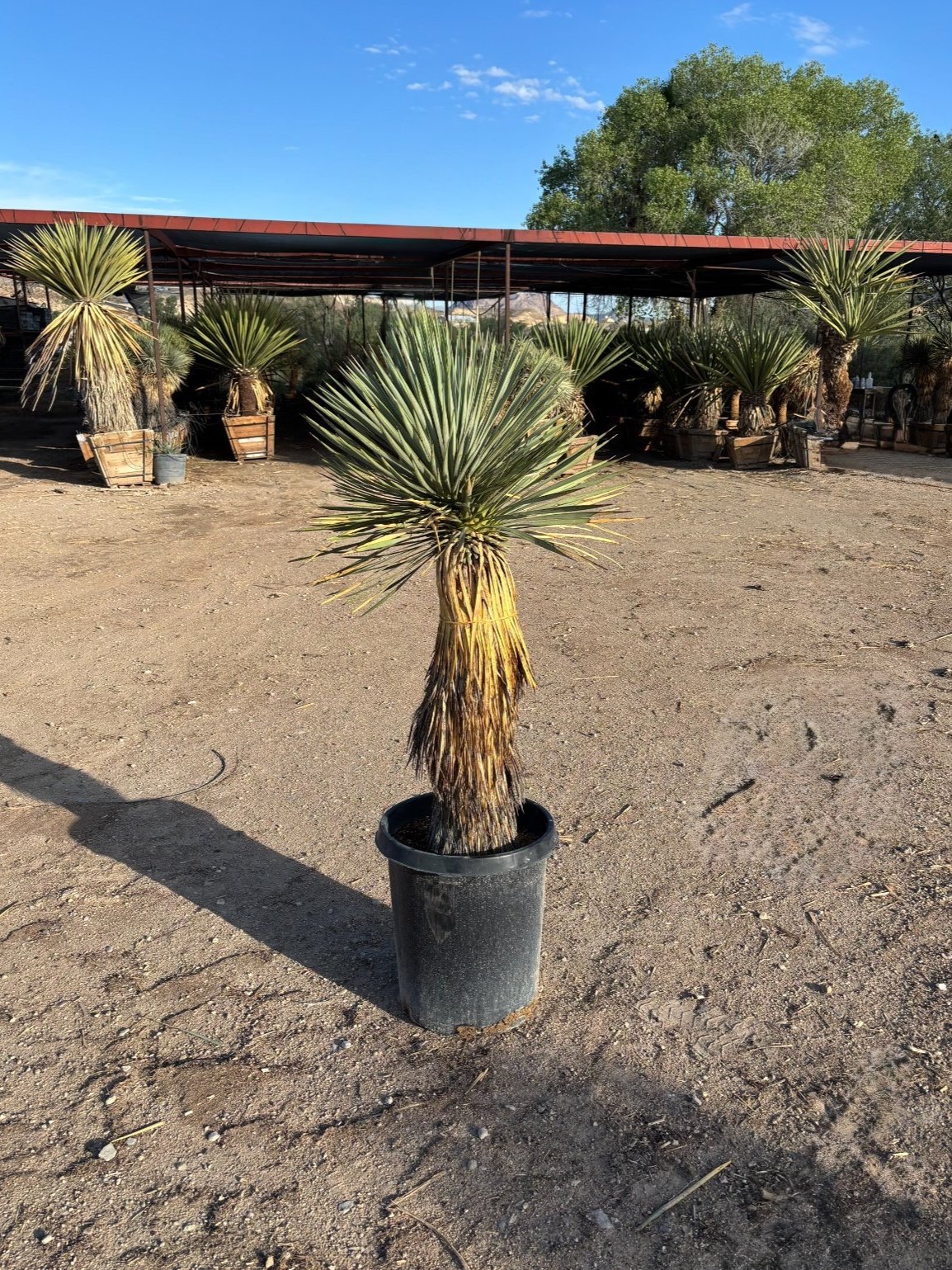
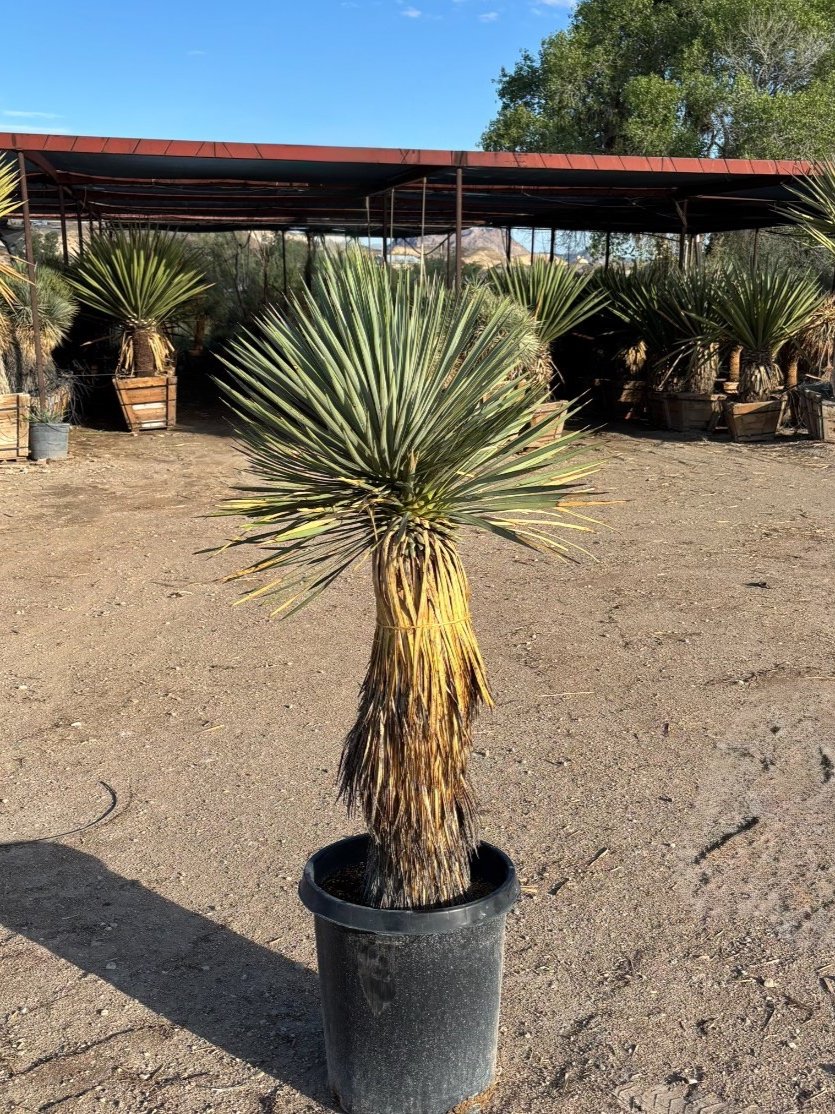
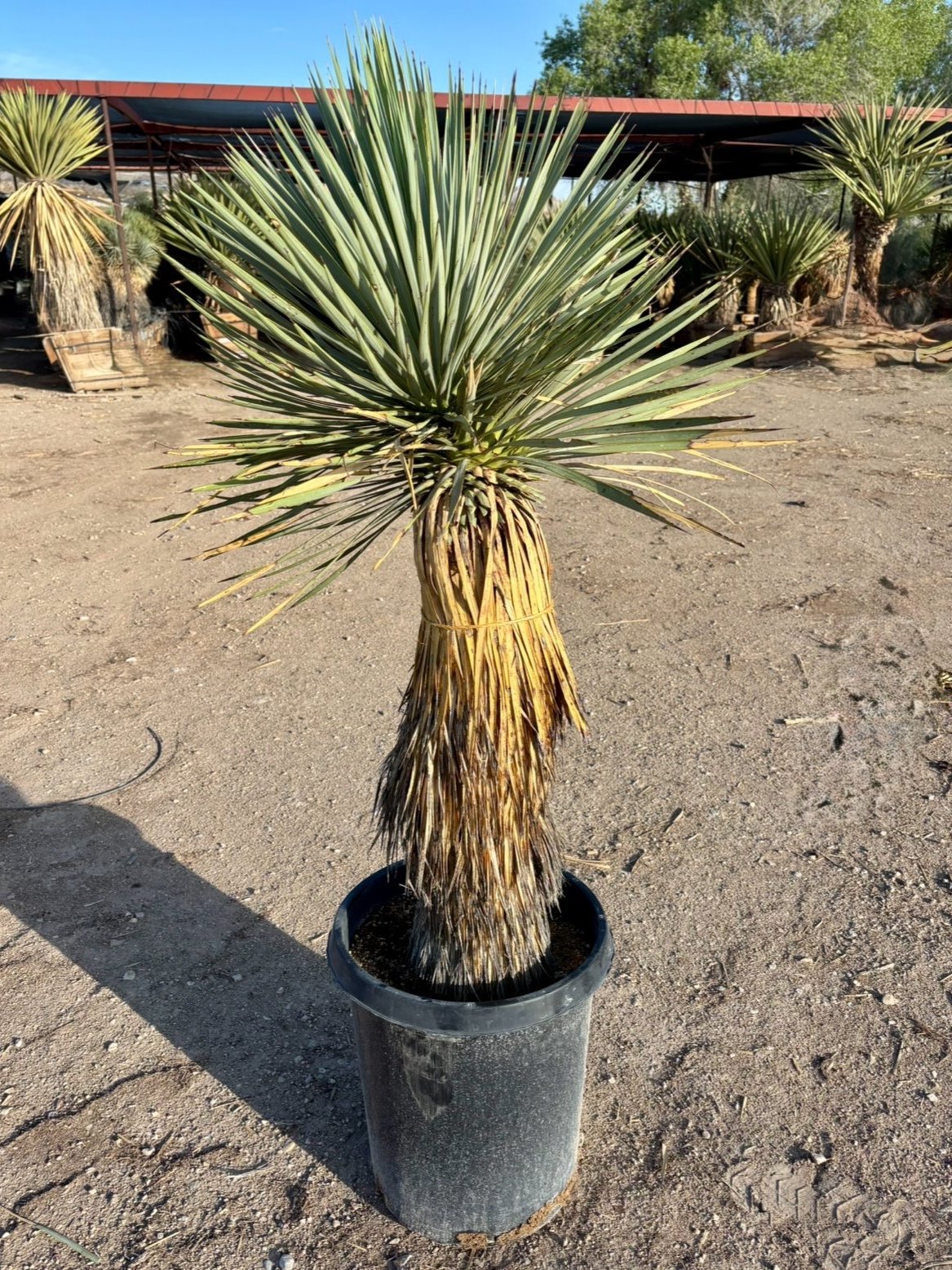
Single Headed thomspon
USDA Zones 6a–10b
A single-trunk yucca with upright growth and blue-gray foliage. Drought-tolerant and low-maintenance, it thrives in full sun and well-drained soils, making it ideal for xeriscapes. Trimmed or tied, 2 to 8 feet available.
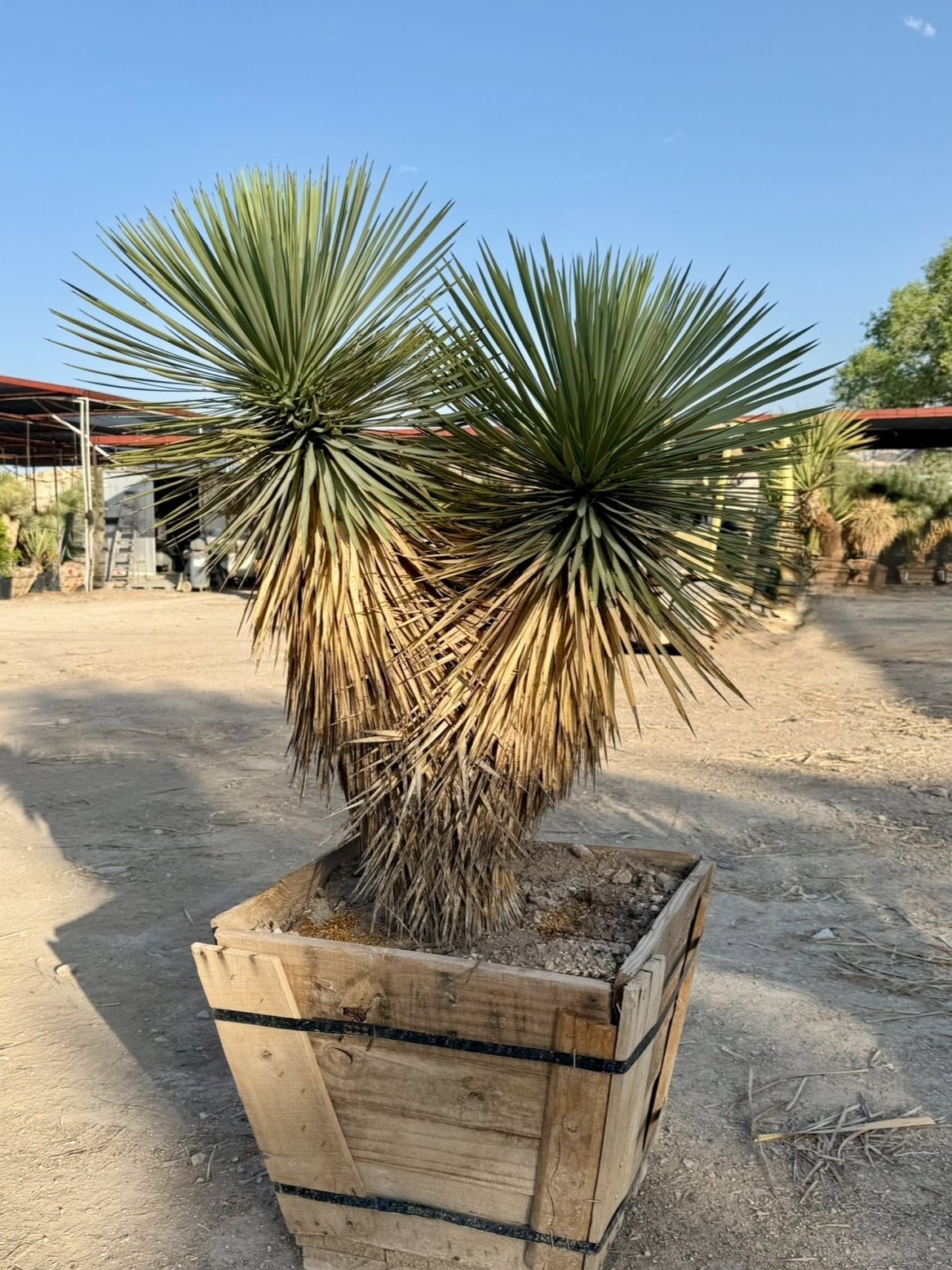
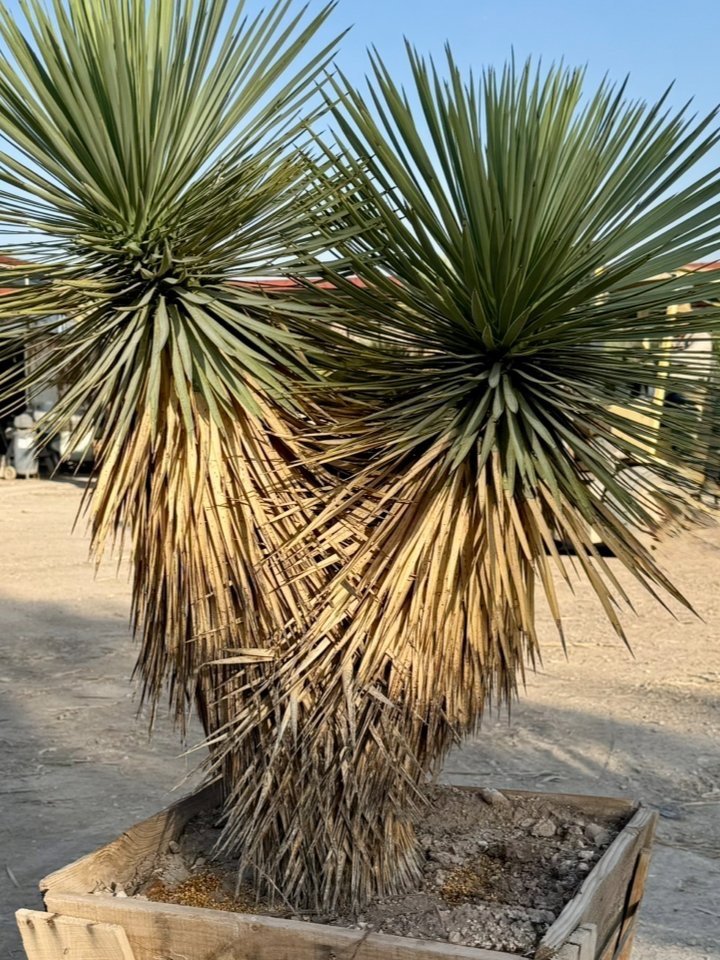
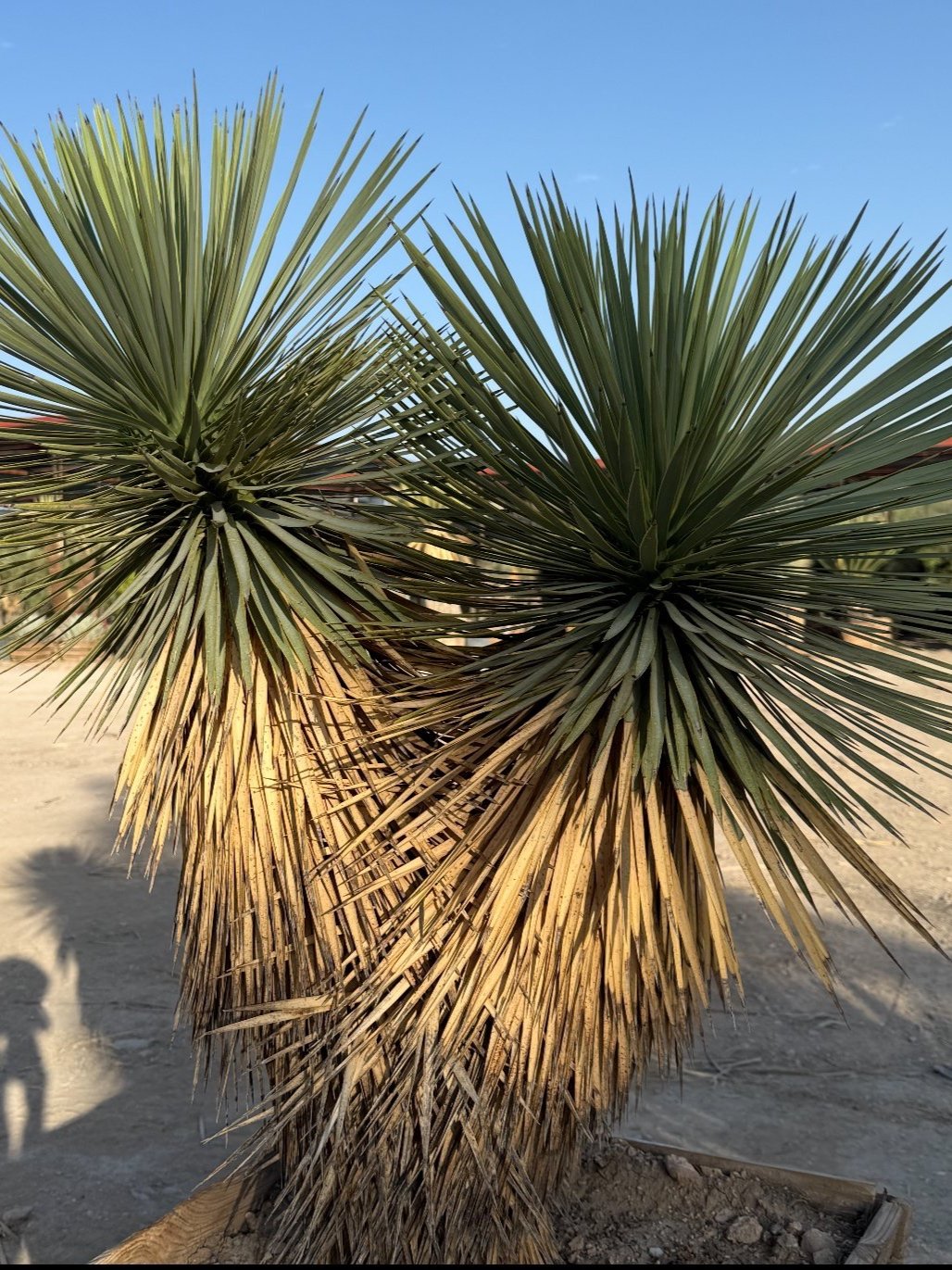
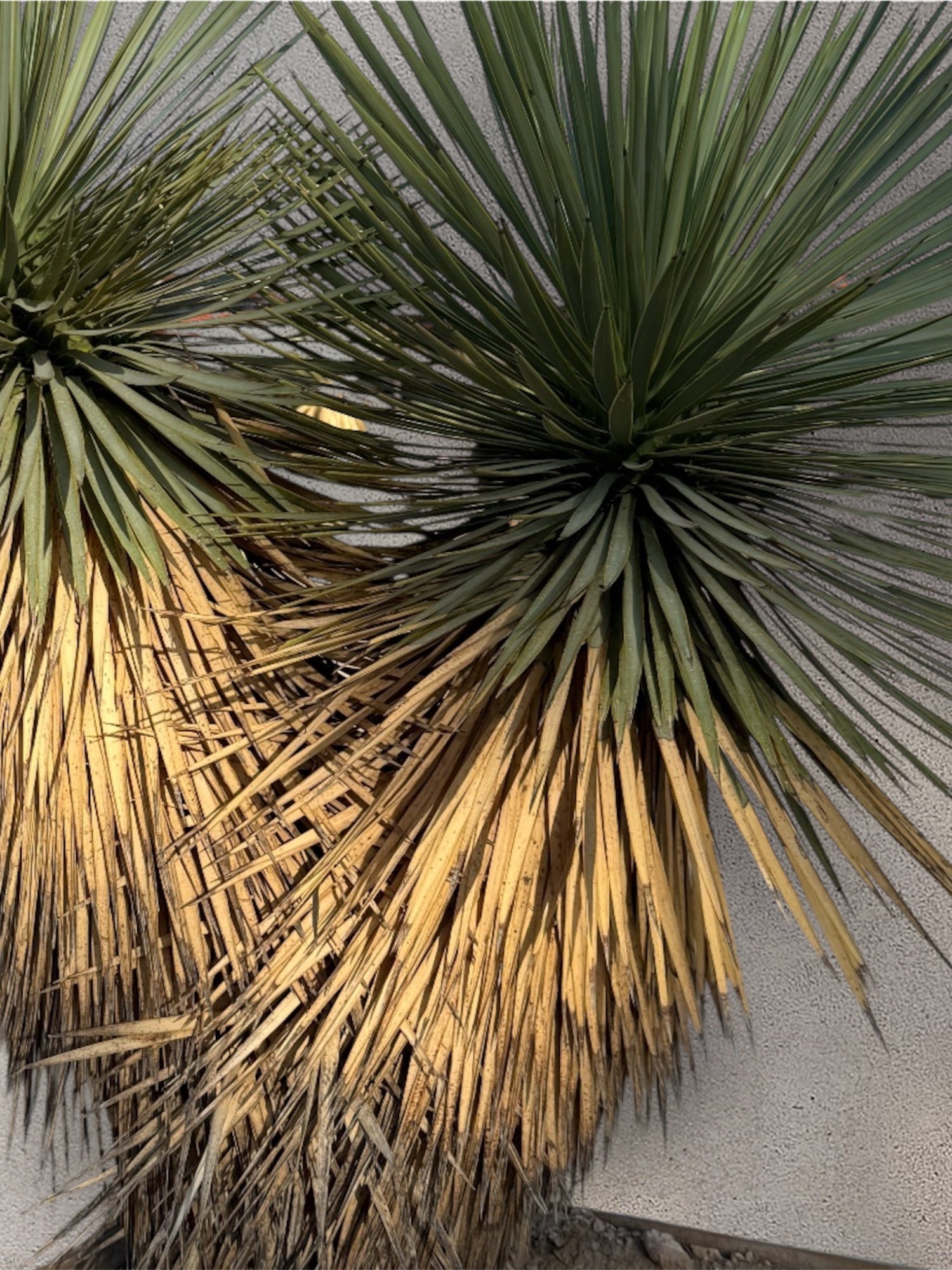
Double Headed thompson
USDA Zones 6a–10b
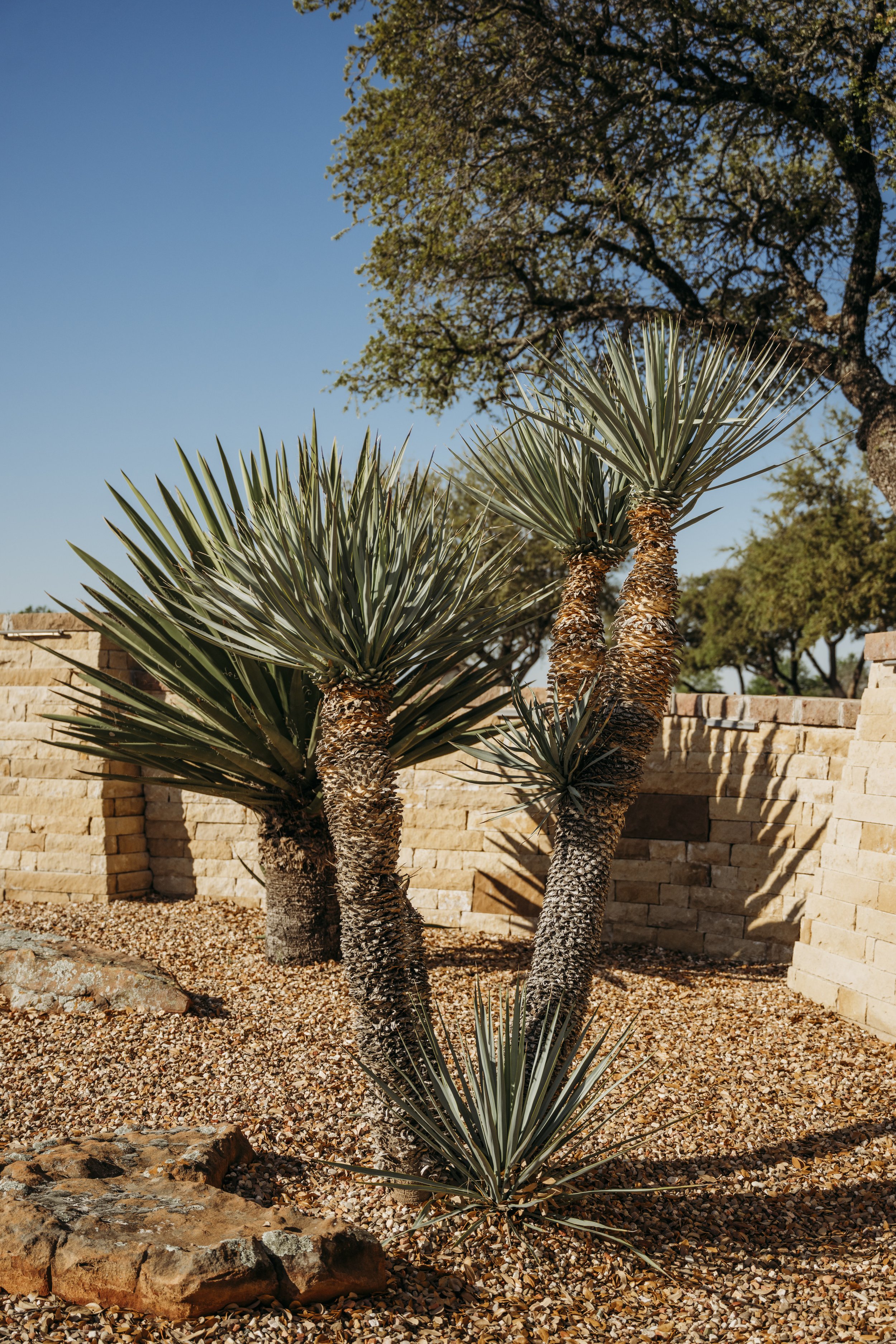
Tall, tough, and timeless. This multi-headed yucca matures into a candelabra-like shape with blue-gray leaves and creamy white blooms in spring. A true standout in any dry-climate design. Offering sizing from 3 to 6 ft.
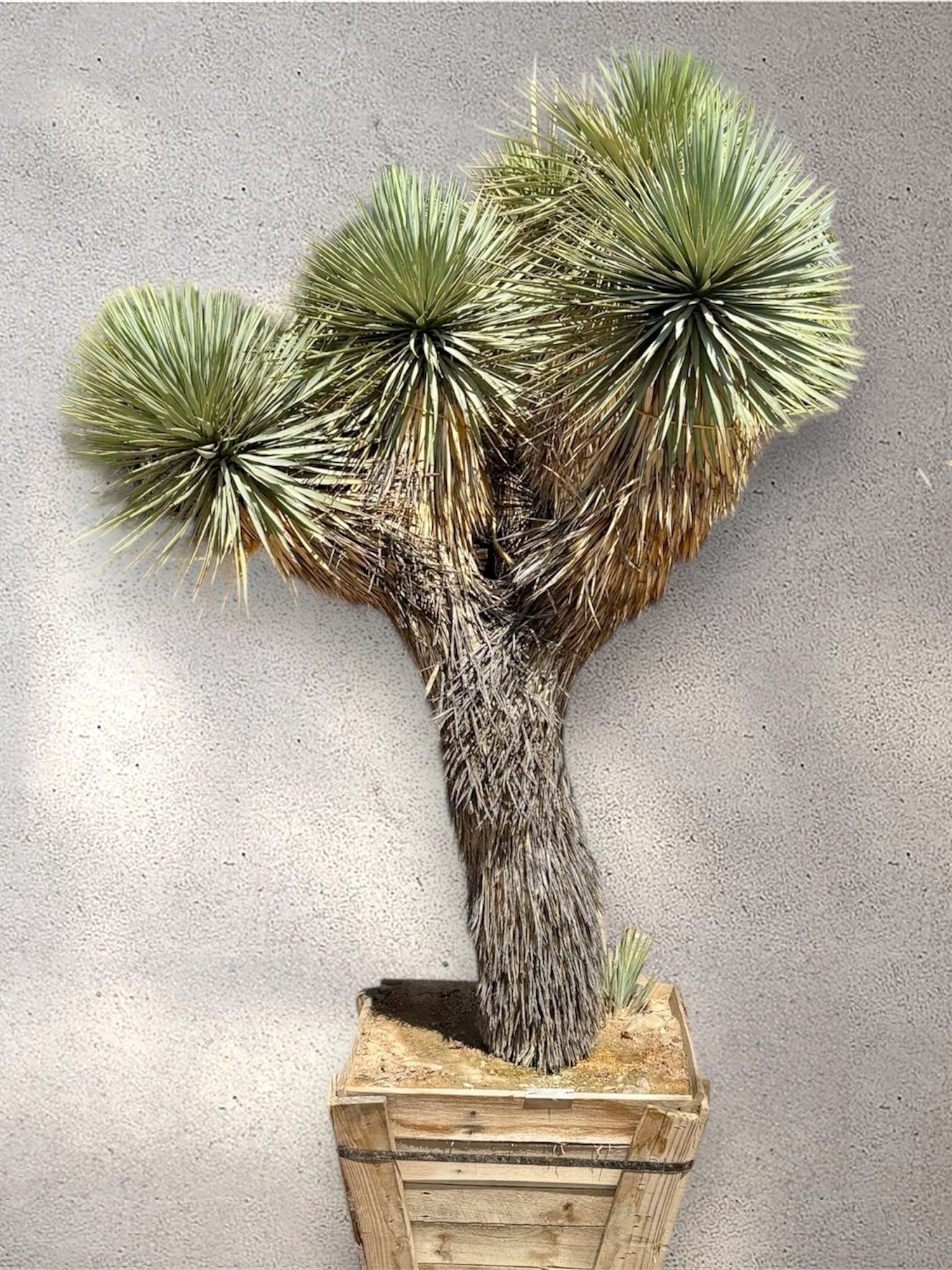
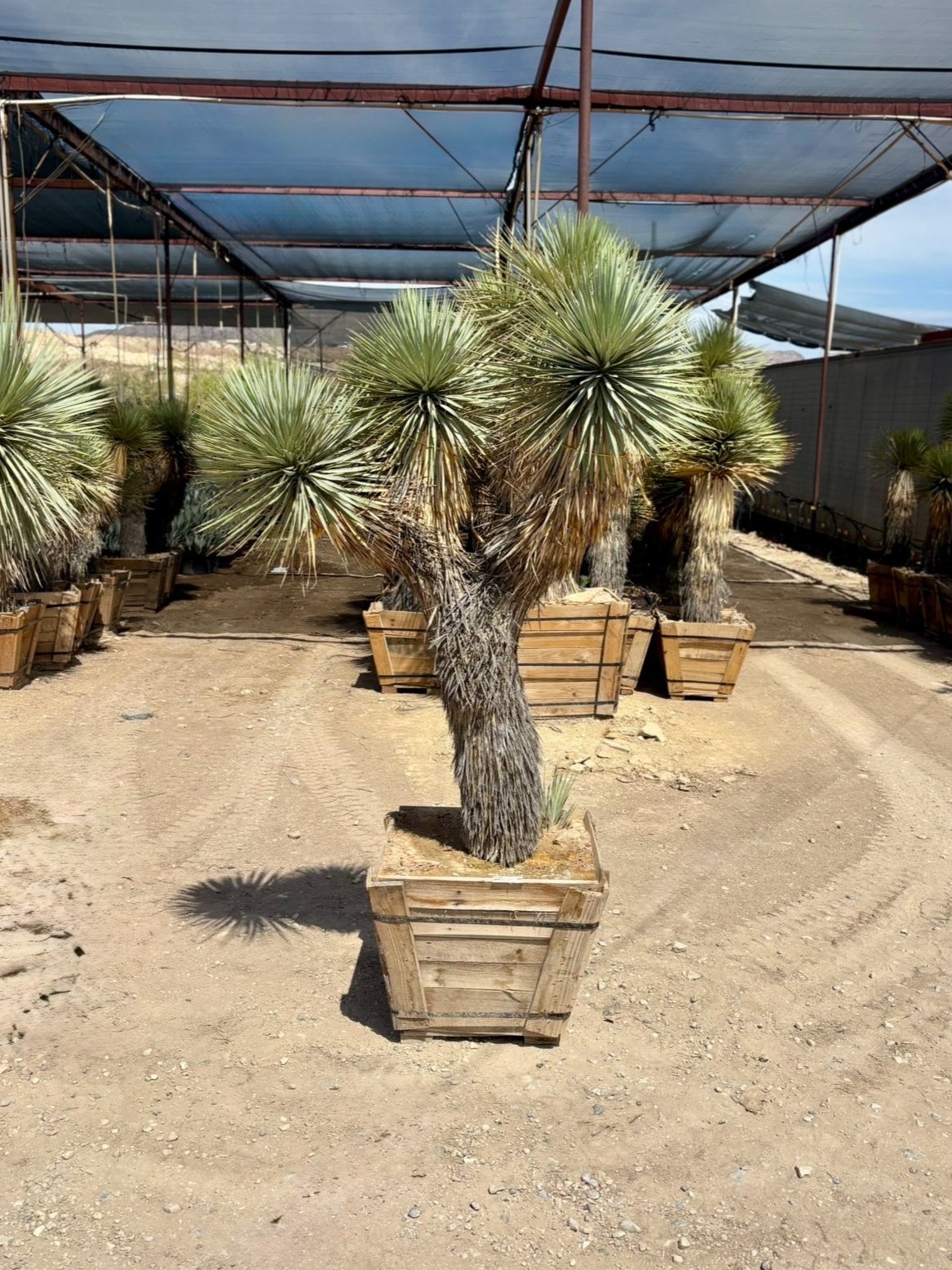
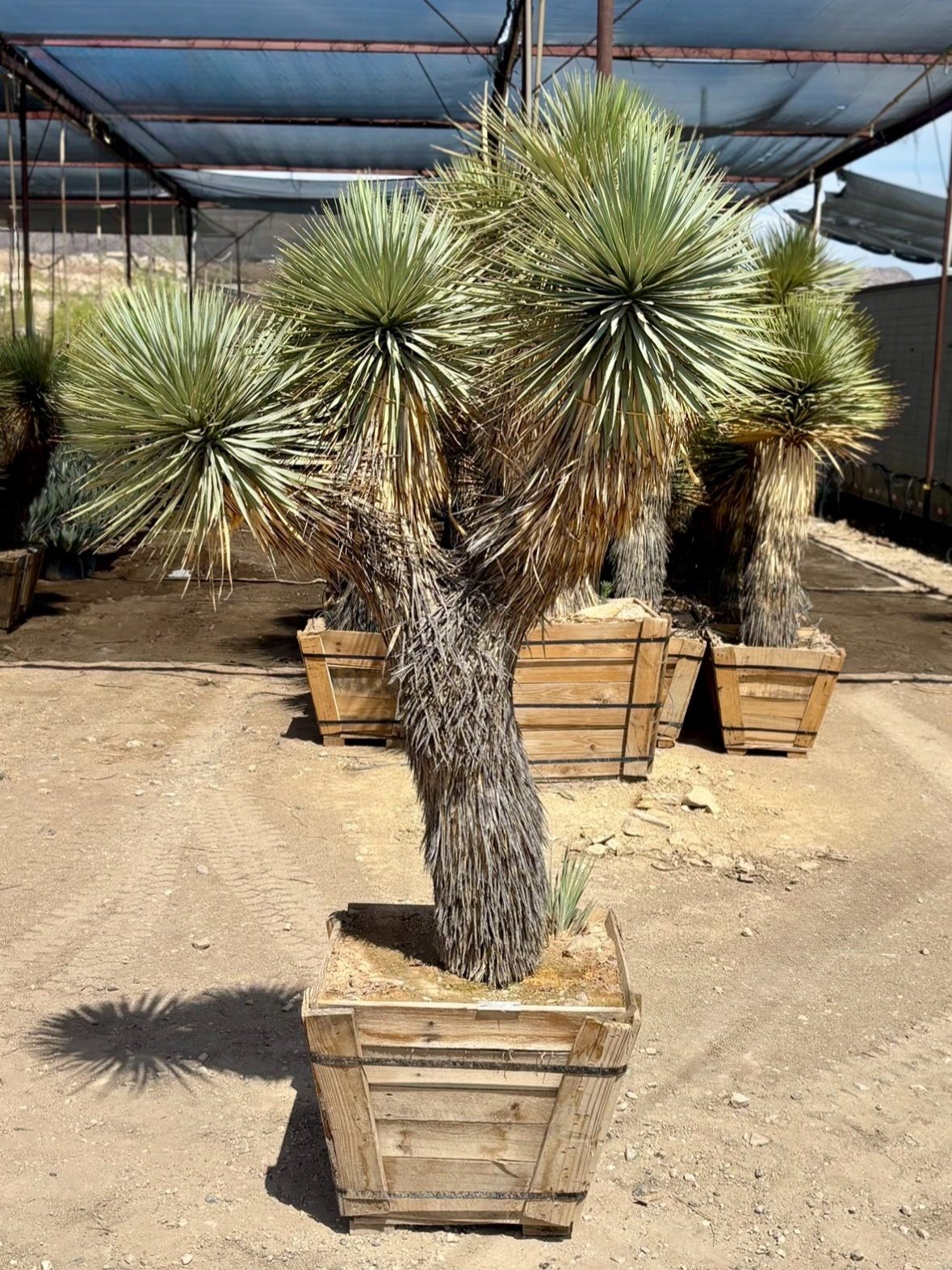
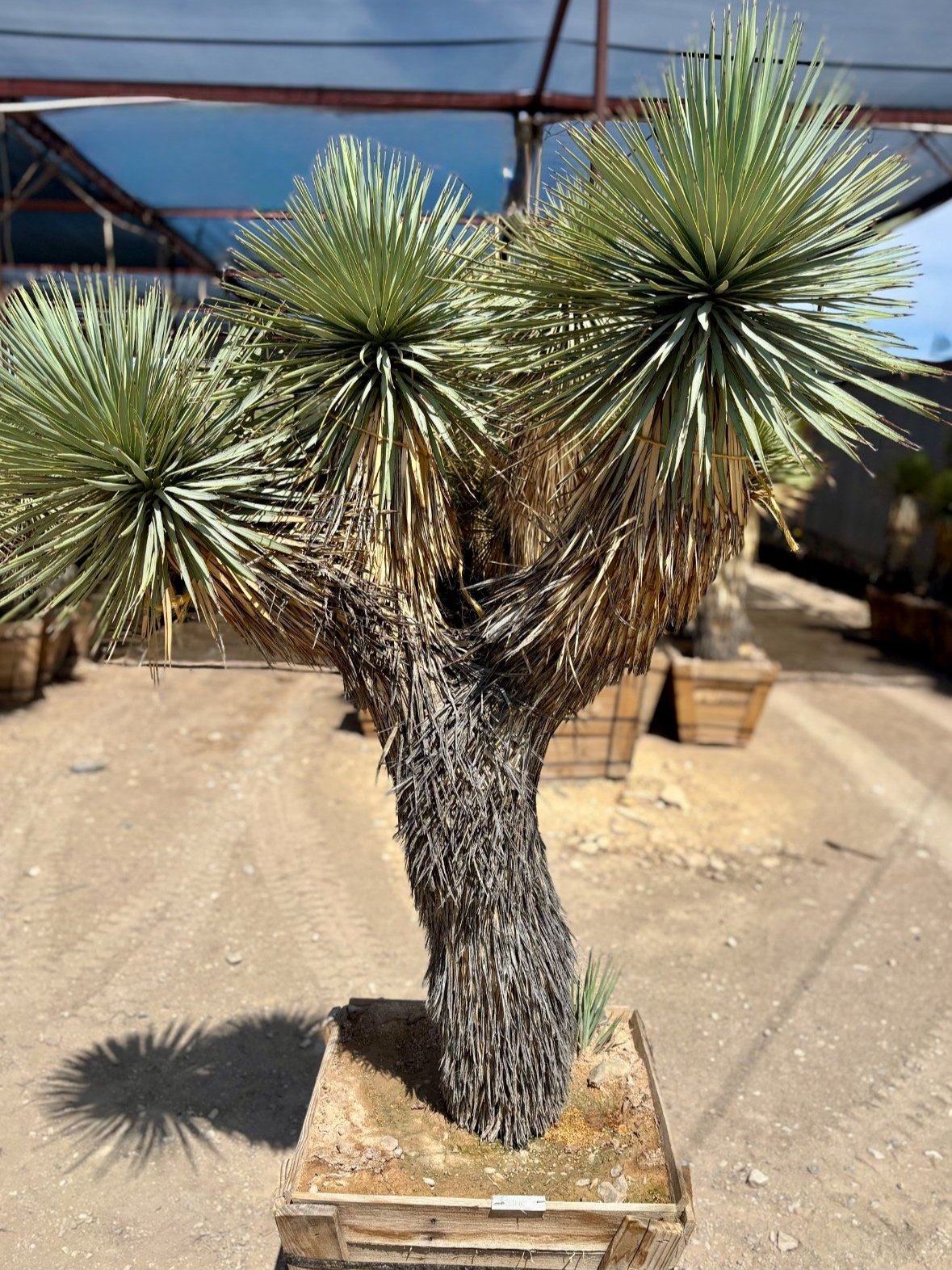
Gold Thompson
USDA Zones 6a–10b
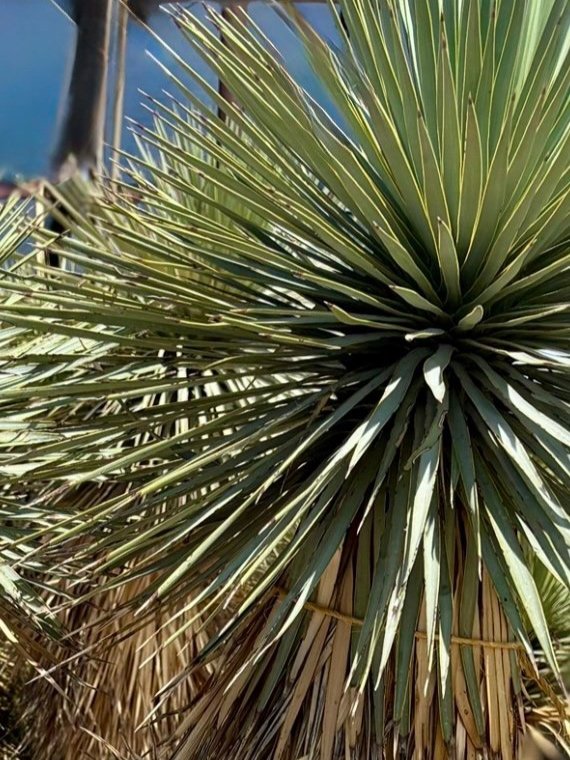
A mature multi-head specimen measuring approximately 5.5 to 6 feet tall with three or more heads. Its branching growth habit and substantial size make it well suited for focal points, commercial landscapes, and large residential projects.
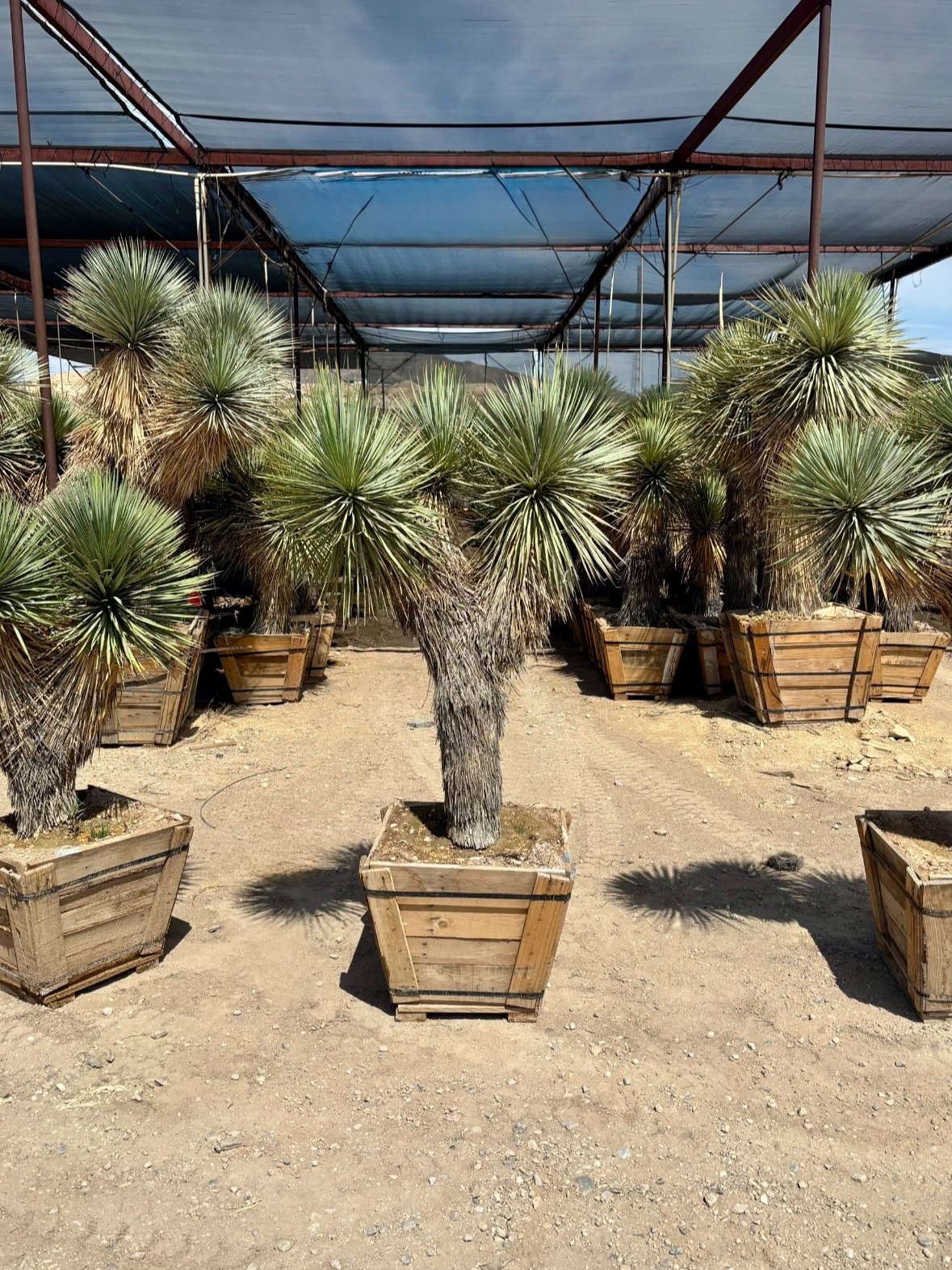
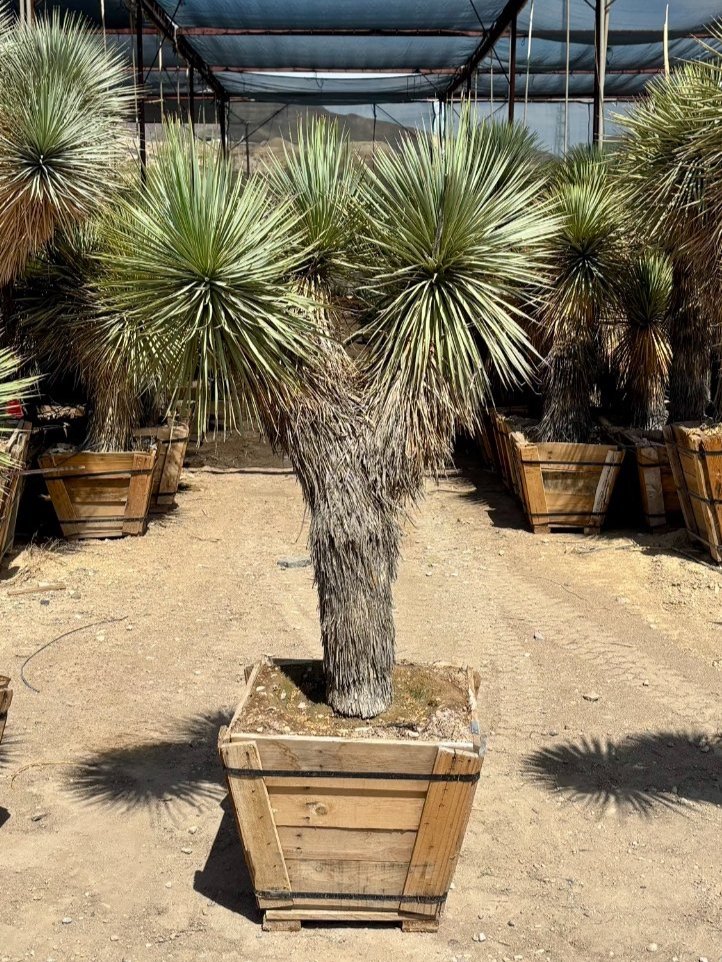
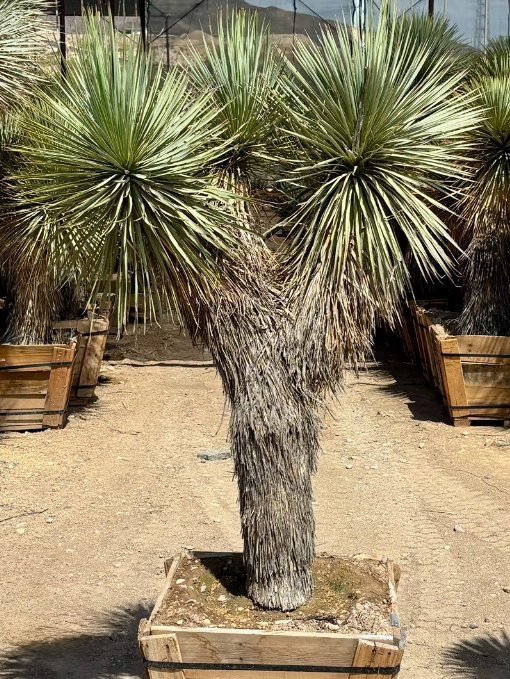
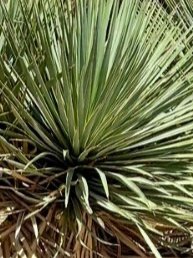
Silver Thompson
USDA Zones 6a–10b
A 4 to 4.5-foot specimen with three or more heads and a strong, upright growth habit. Its sculptural form and moderate size make it well suited for entryways, landscape focal points, and commercial or residential plantings.
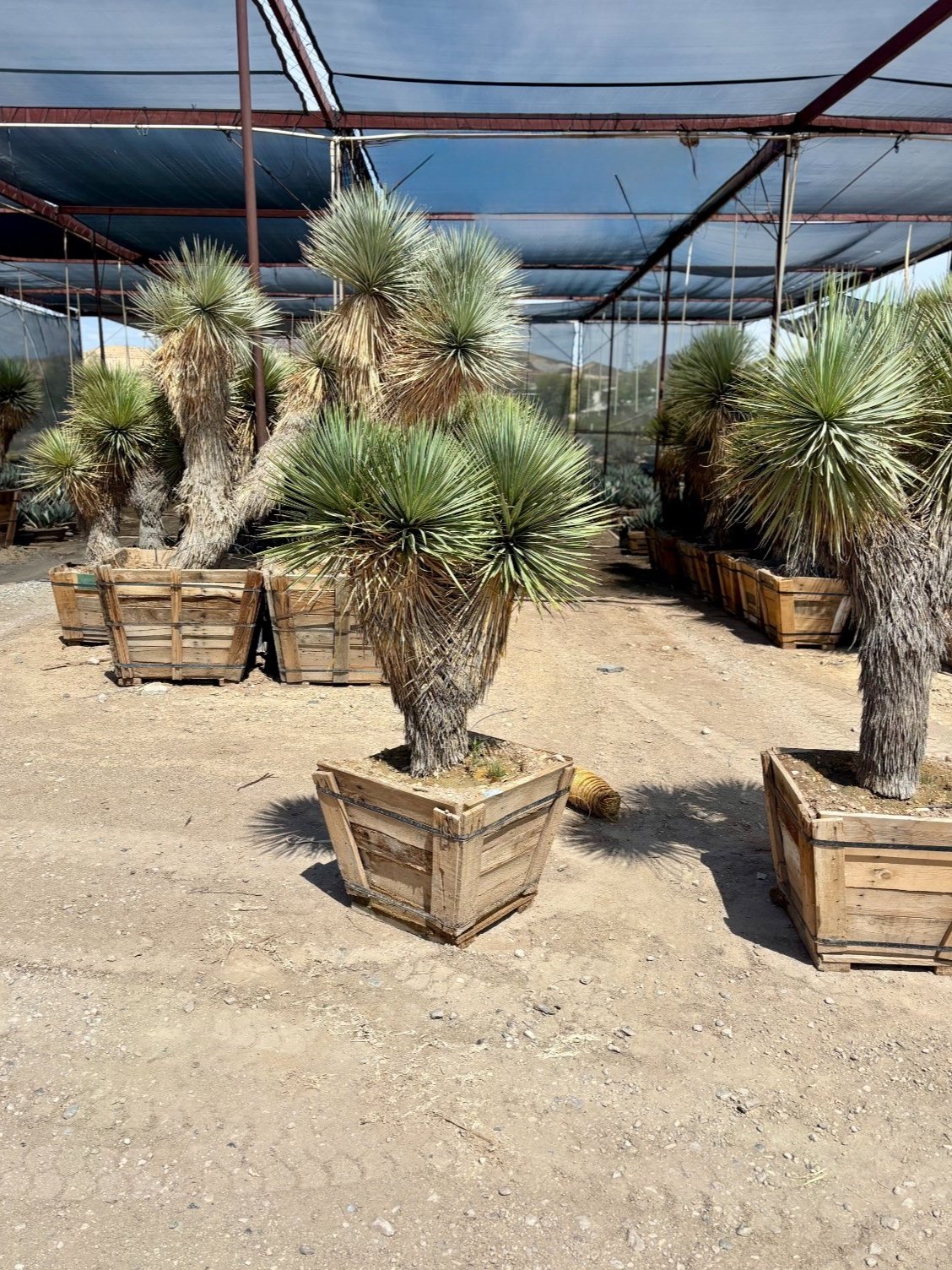
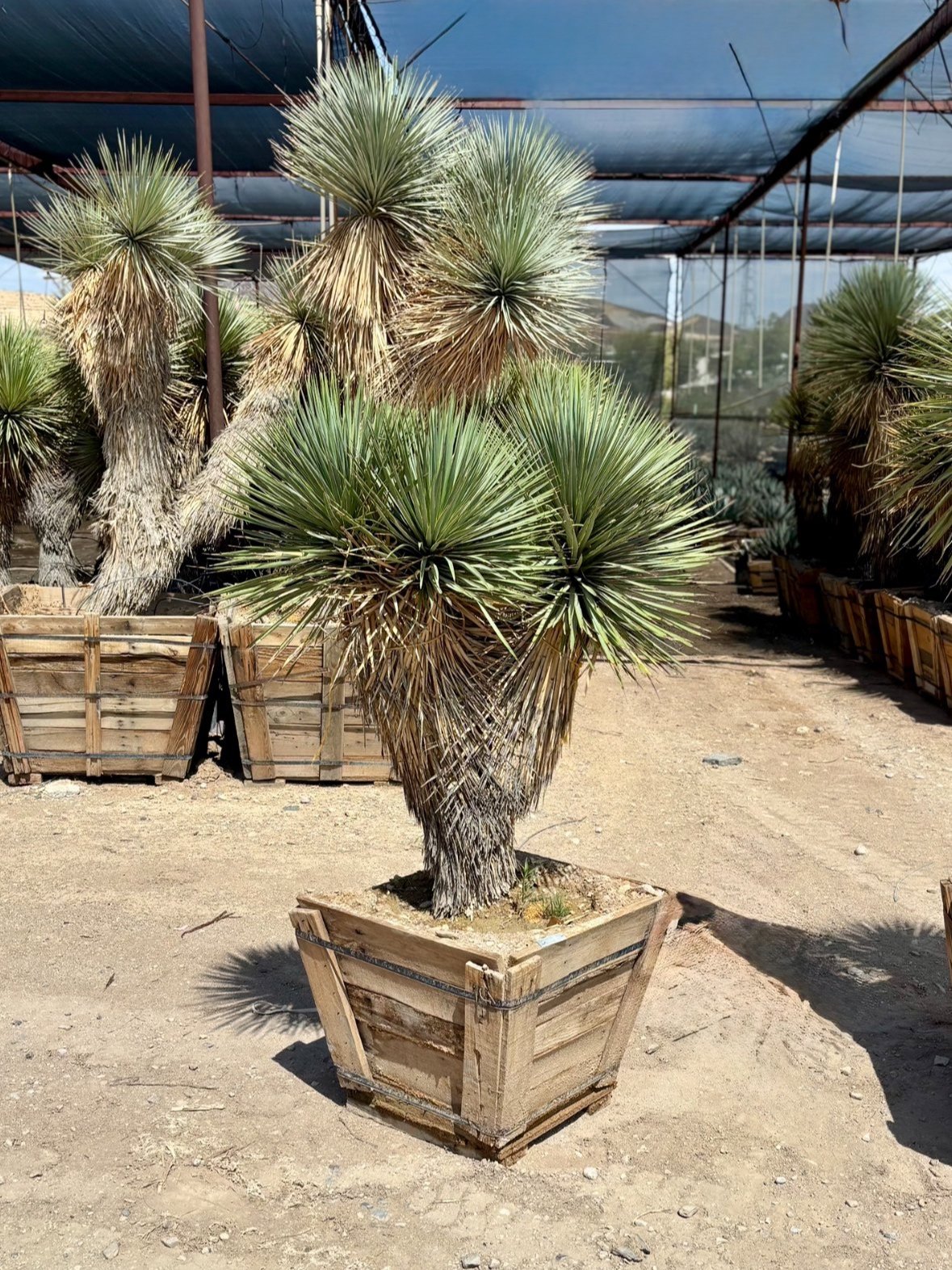
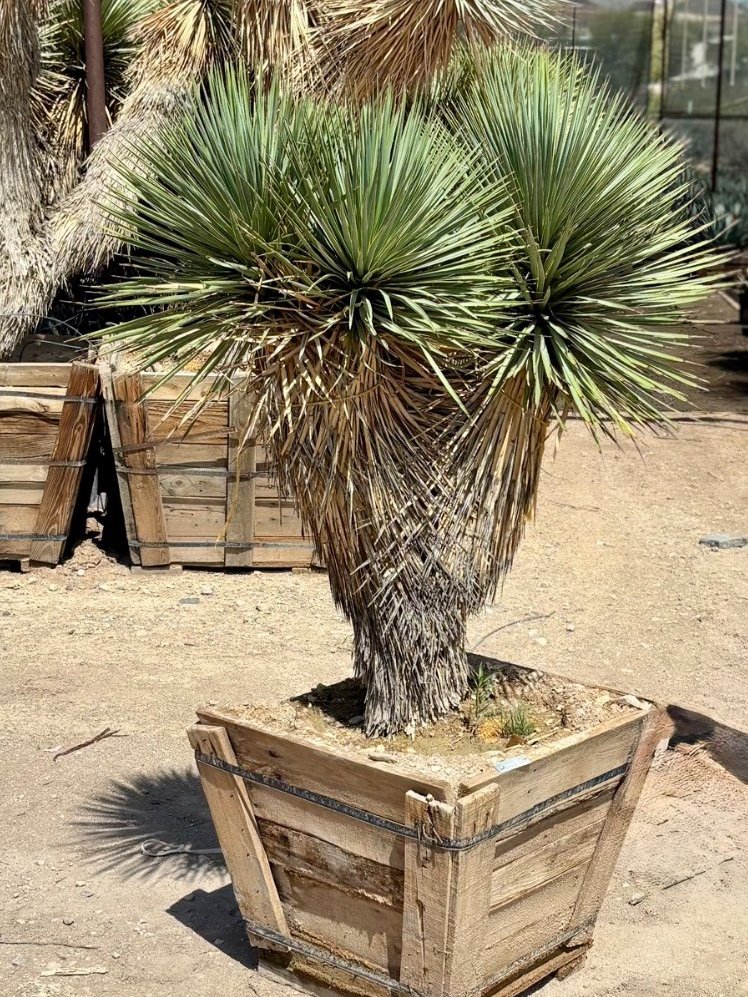
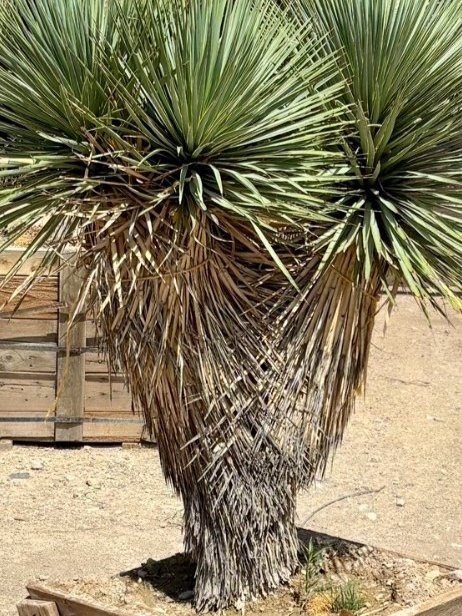
Bronze Thompson
USDA Zones 6a–10b
A 3.5 to 4-foot specimen with a compact form, making it well suited for smaller landscapes, foundation plantings, and areas where space is limited. Drought-tolerant and low-maintenance, it performs well in full sun and well-drained soils.
More Natives
Hand-harvested from the Chihuahuan Desert, each specimen is naturally unique in size, shape, and character. Drought-tolerant and well adapted to arid climates, these plants require minimal maintenance once established and perform best in full sun with well-drained soil.
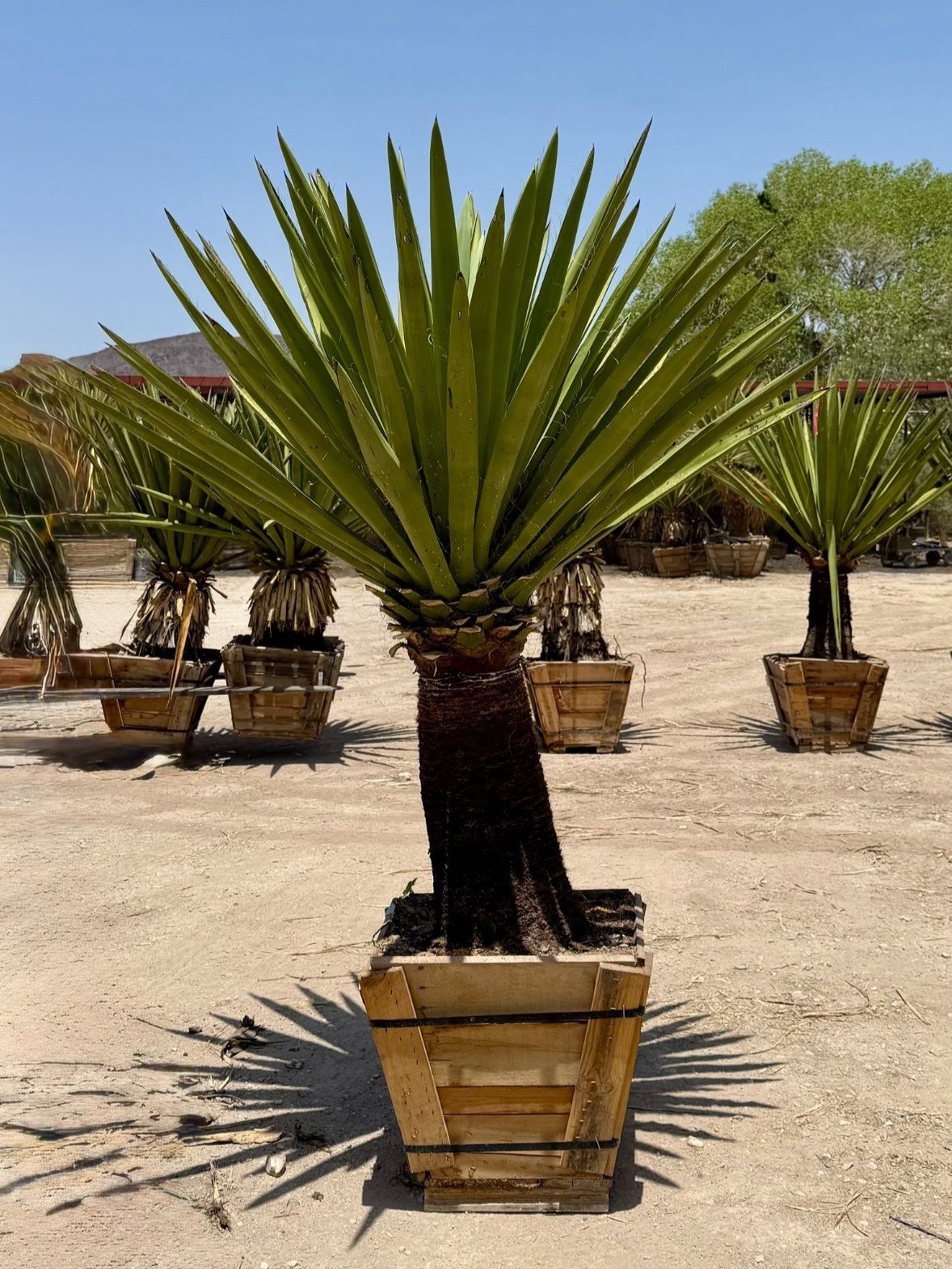
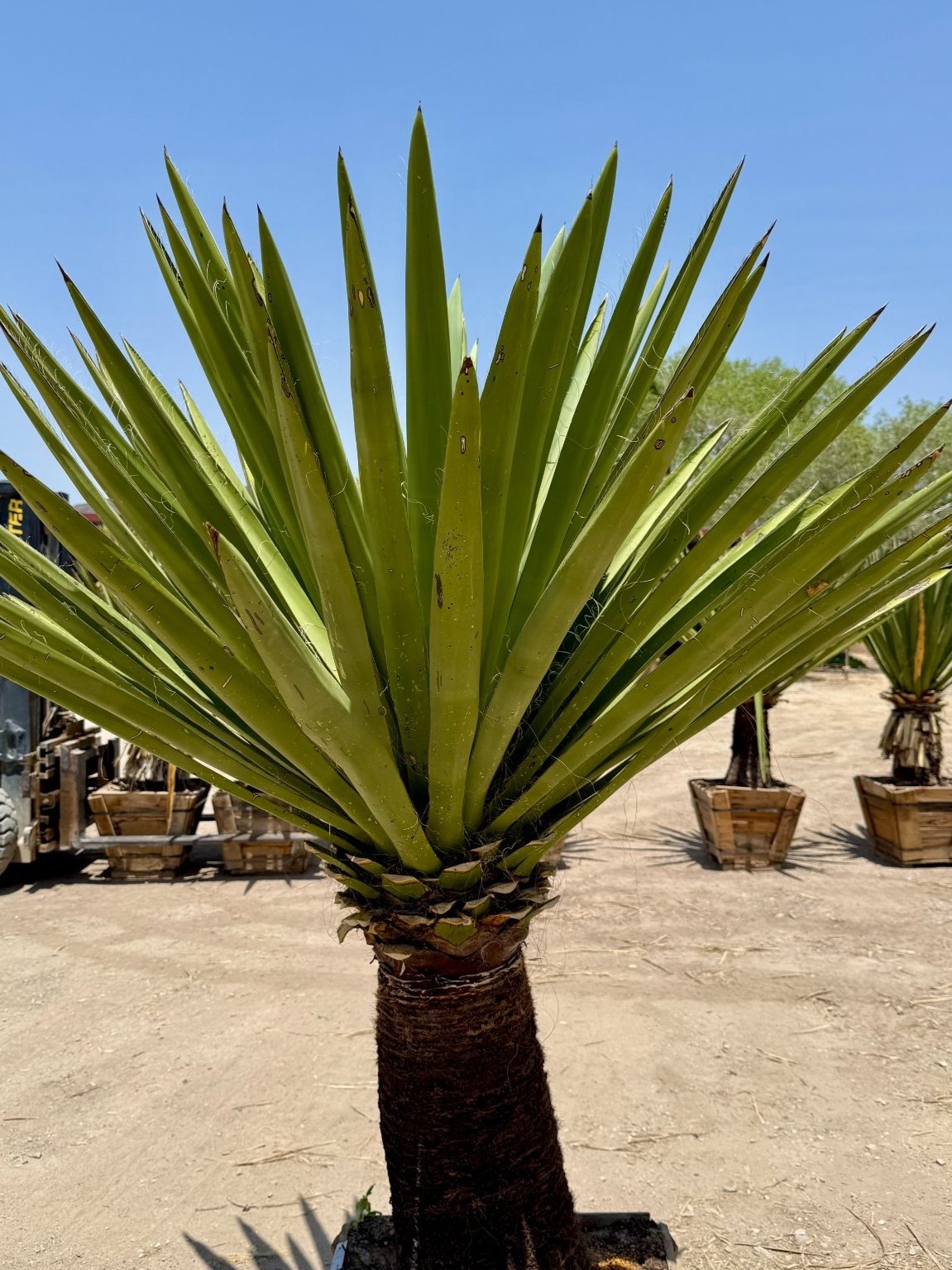
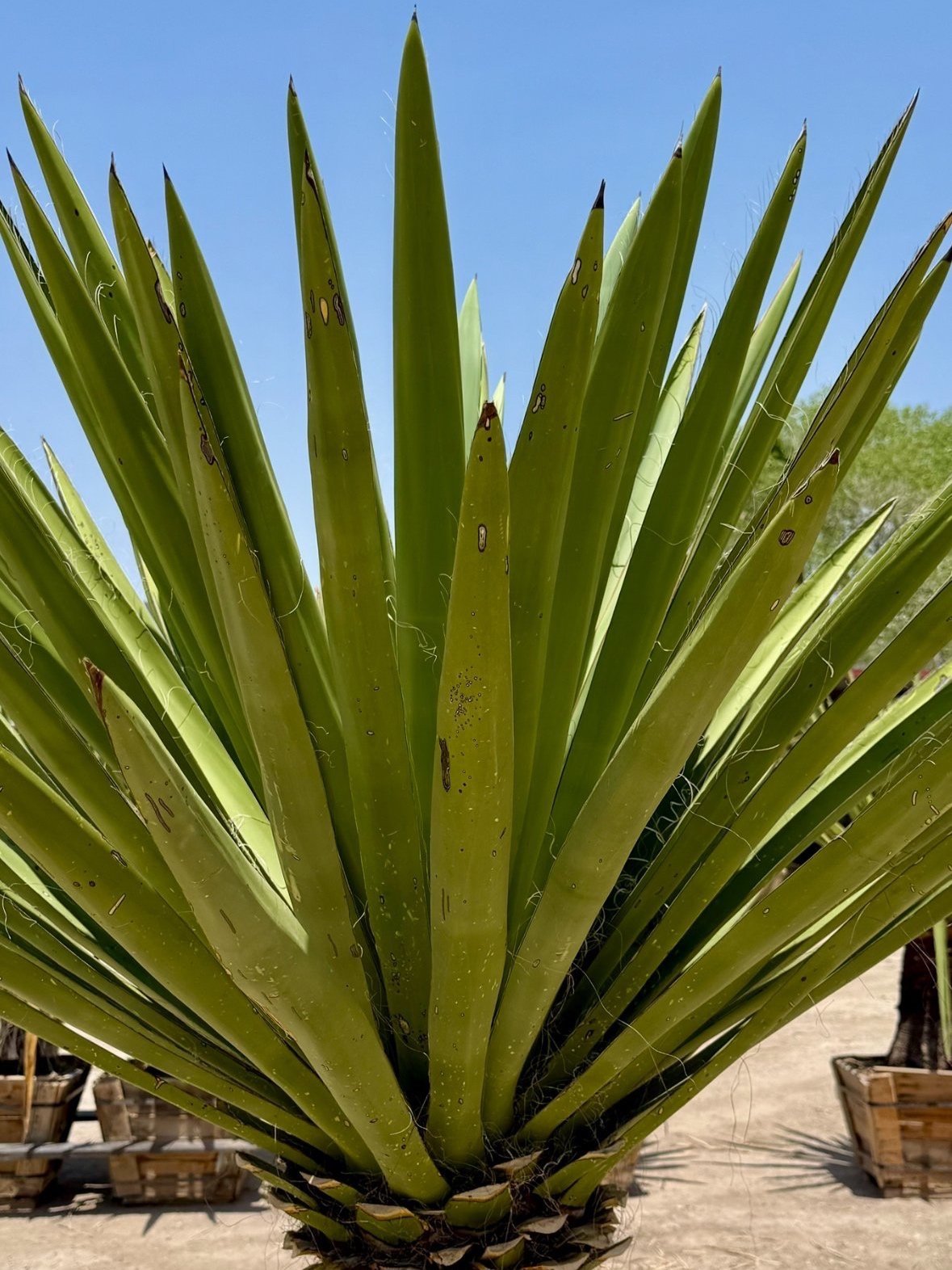
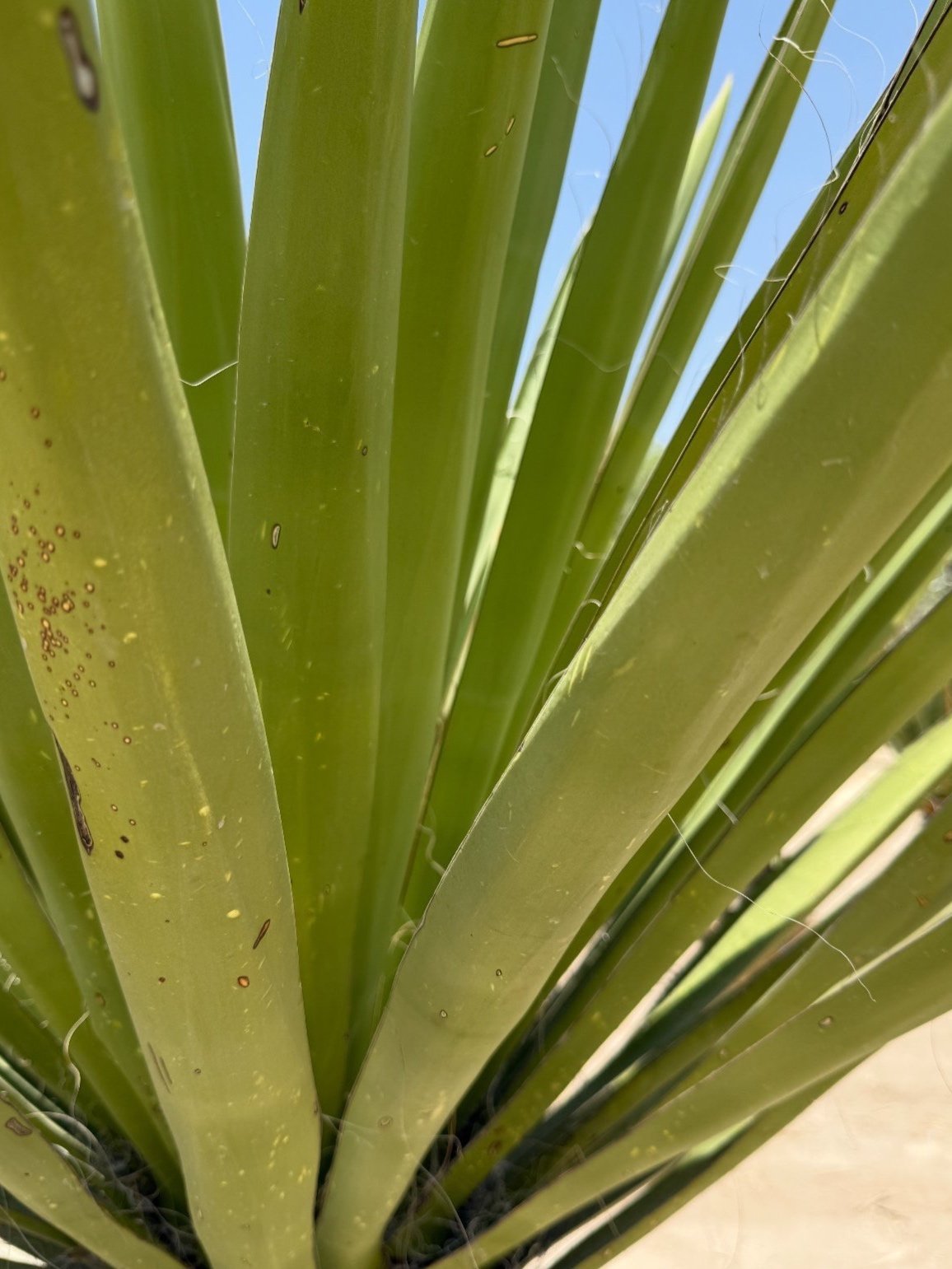
Yucca Faxoniana
USDA Zone 5-10
Known as Giant White Dagger, this yucca grows a thick trunk with dense dark green foliage, reaching up to 7 feet tall. Its tree-like form makes it a popular focal point in Southwestern landscapes. Drought-tolerant and thrives in full sun and well-drained soil.
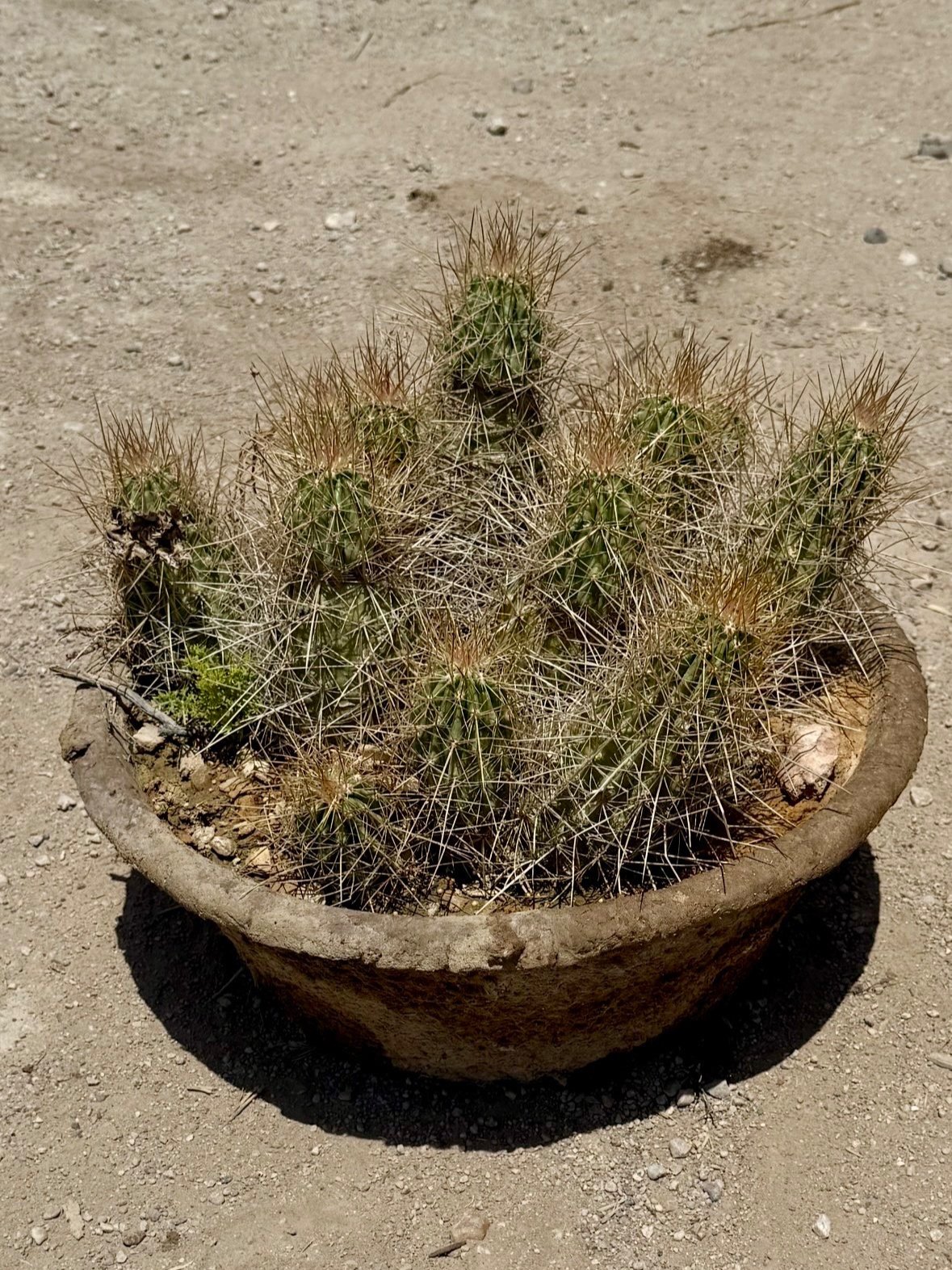
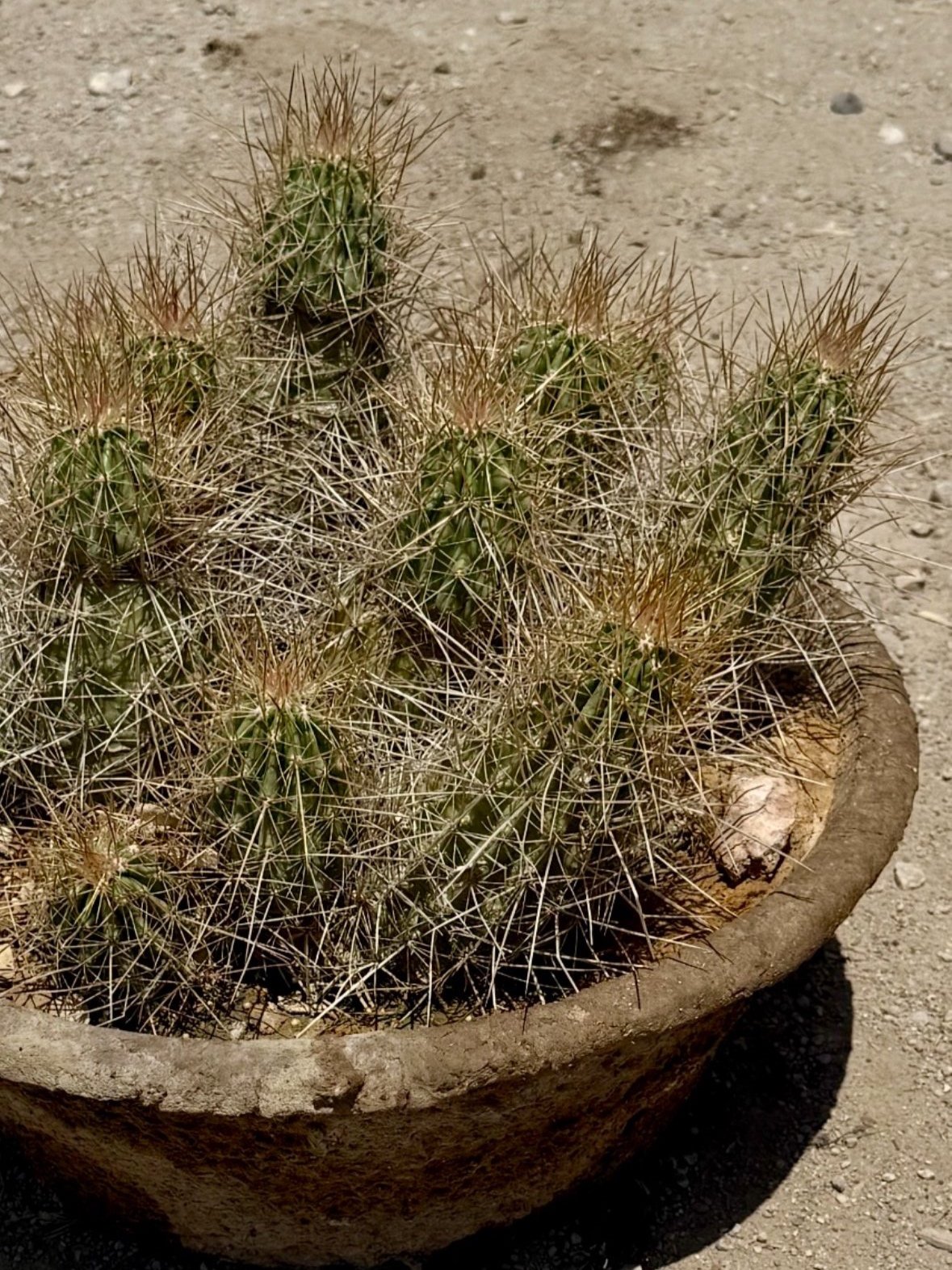
PItaya
USDA Zone 5-10
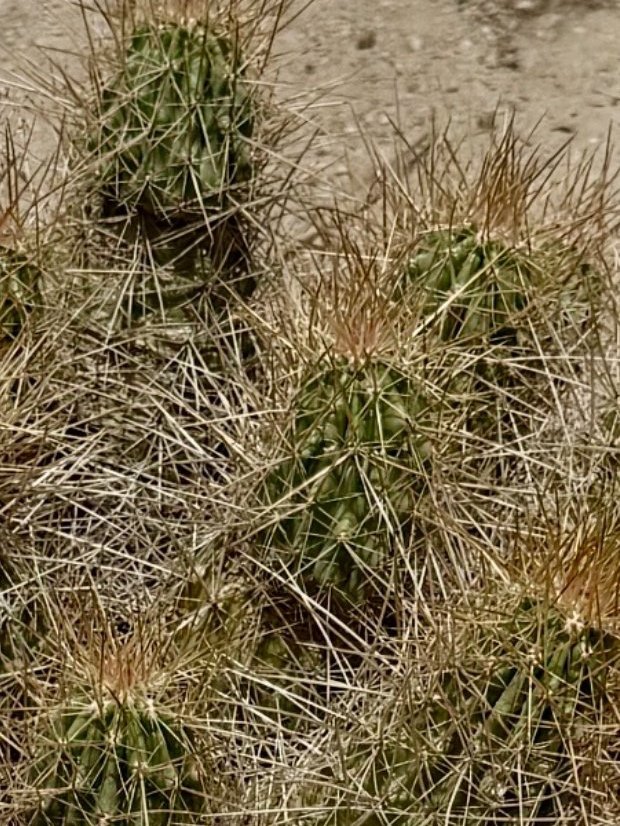
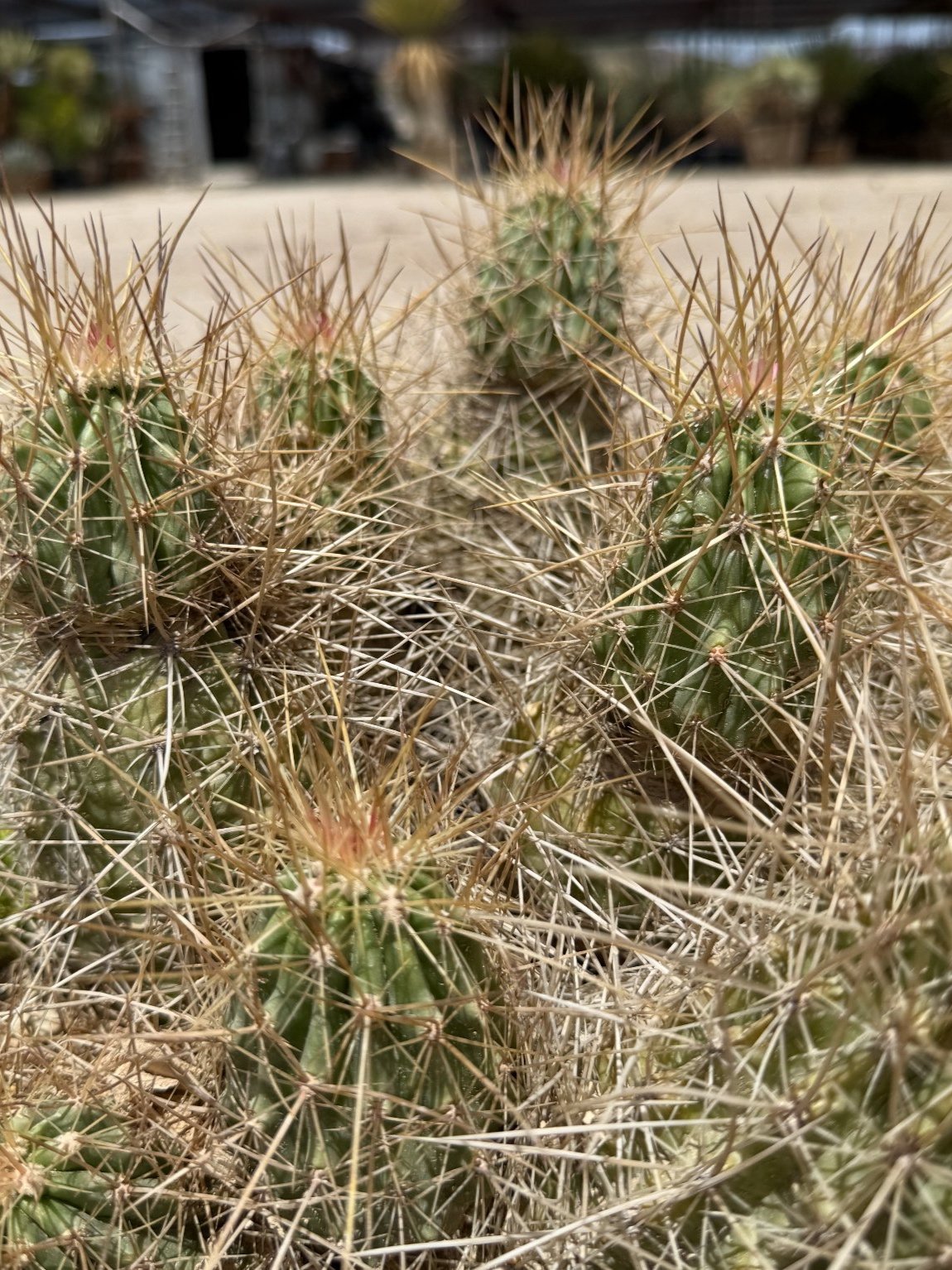
Commonly known as Hedgehog Cactus or Pitaya, this clumping cactus is prized for its vibrant strawberry-pink blooms that appear in spring. Its dense clusters of cylindrical stems are covered in exceptionally sharp spines, making it well suited for natural barriers and low-maintenance landscapes. Native to the Chihuahuan Desert, it thrives in full sun and well-drained soil and is highly drought-tolerant once established.
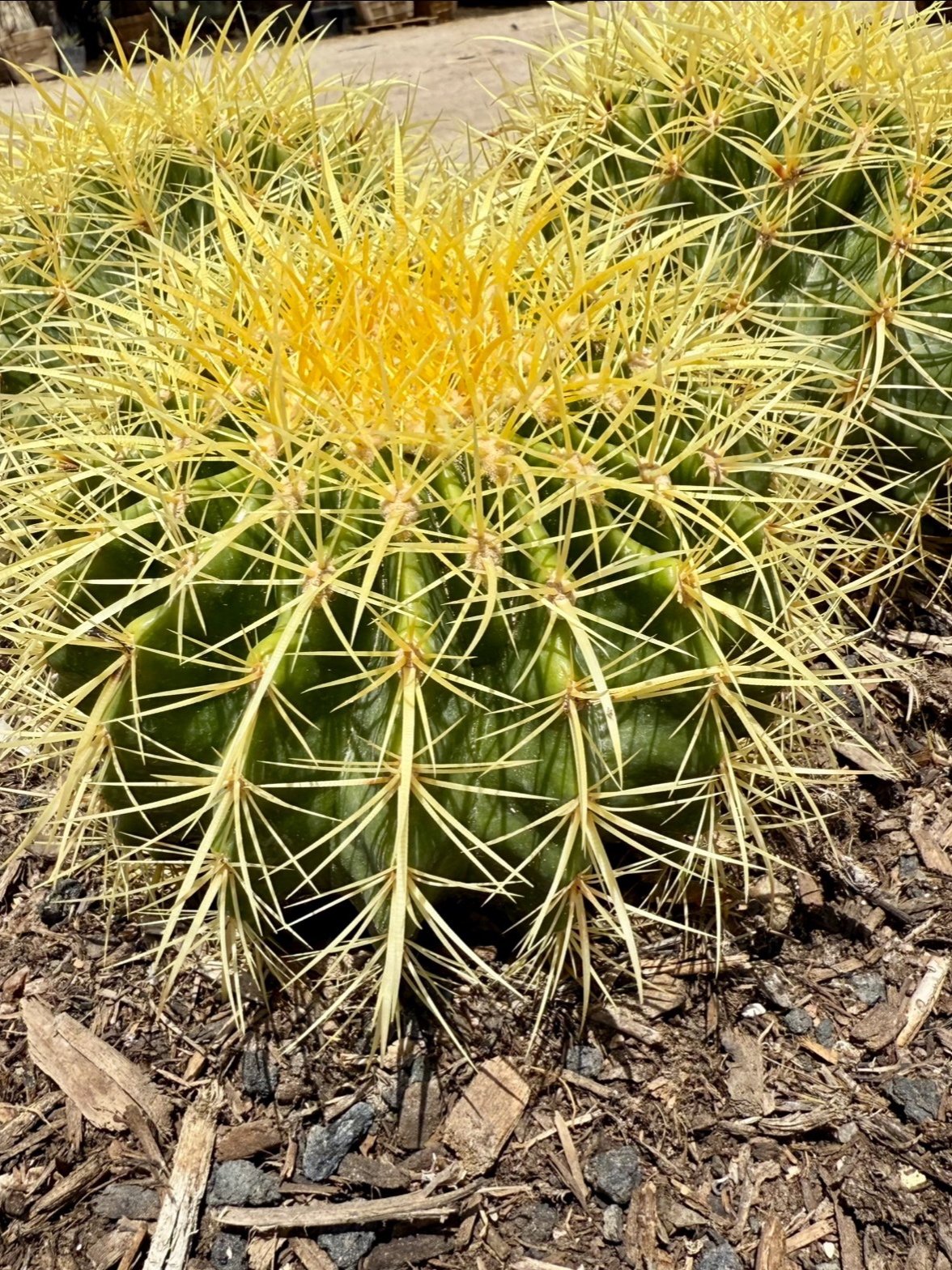
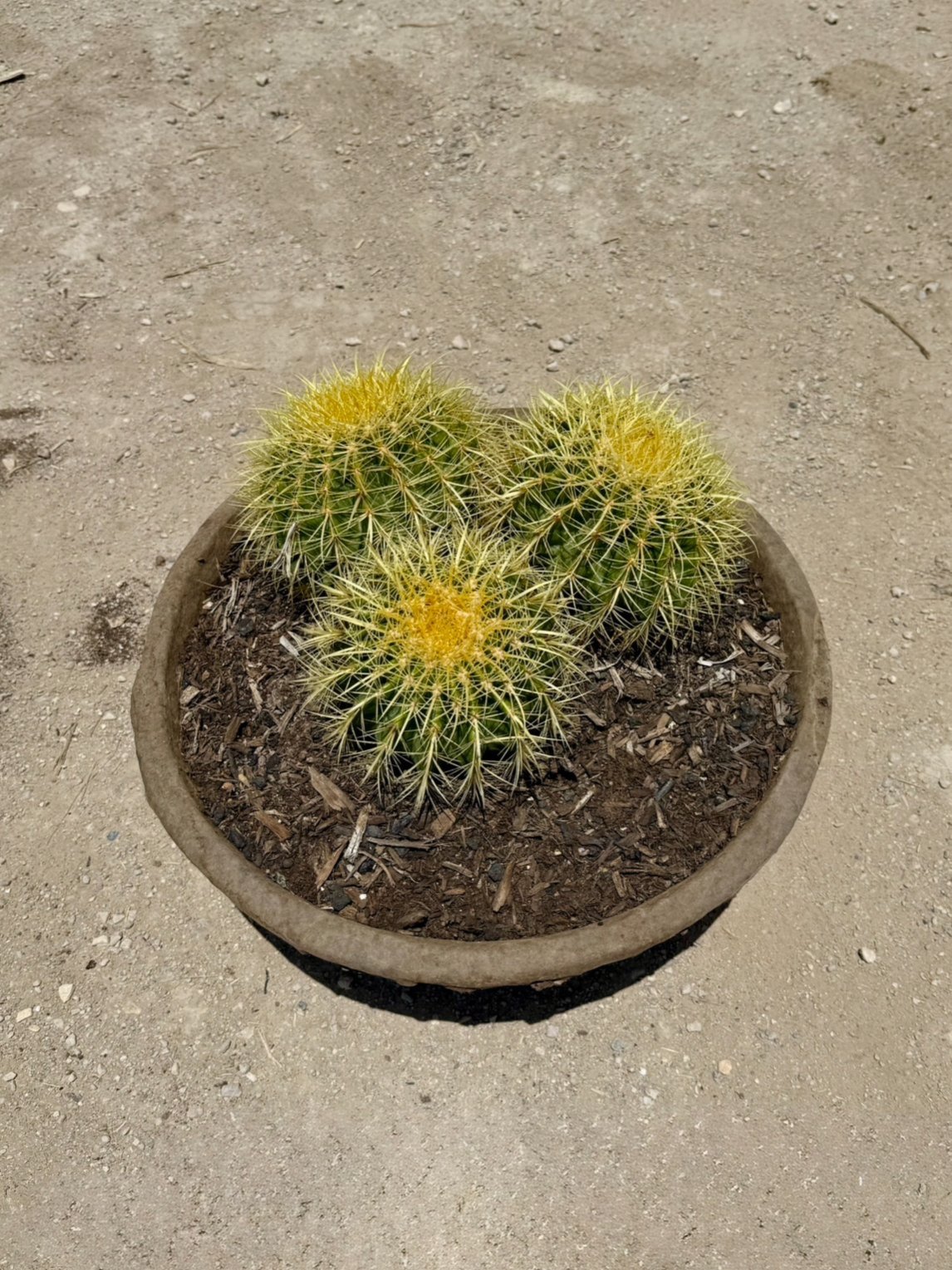
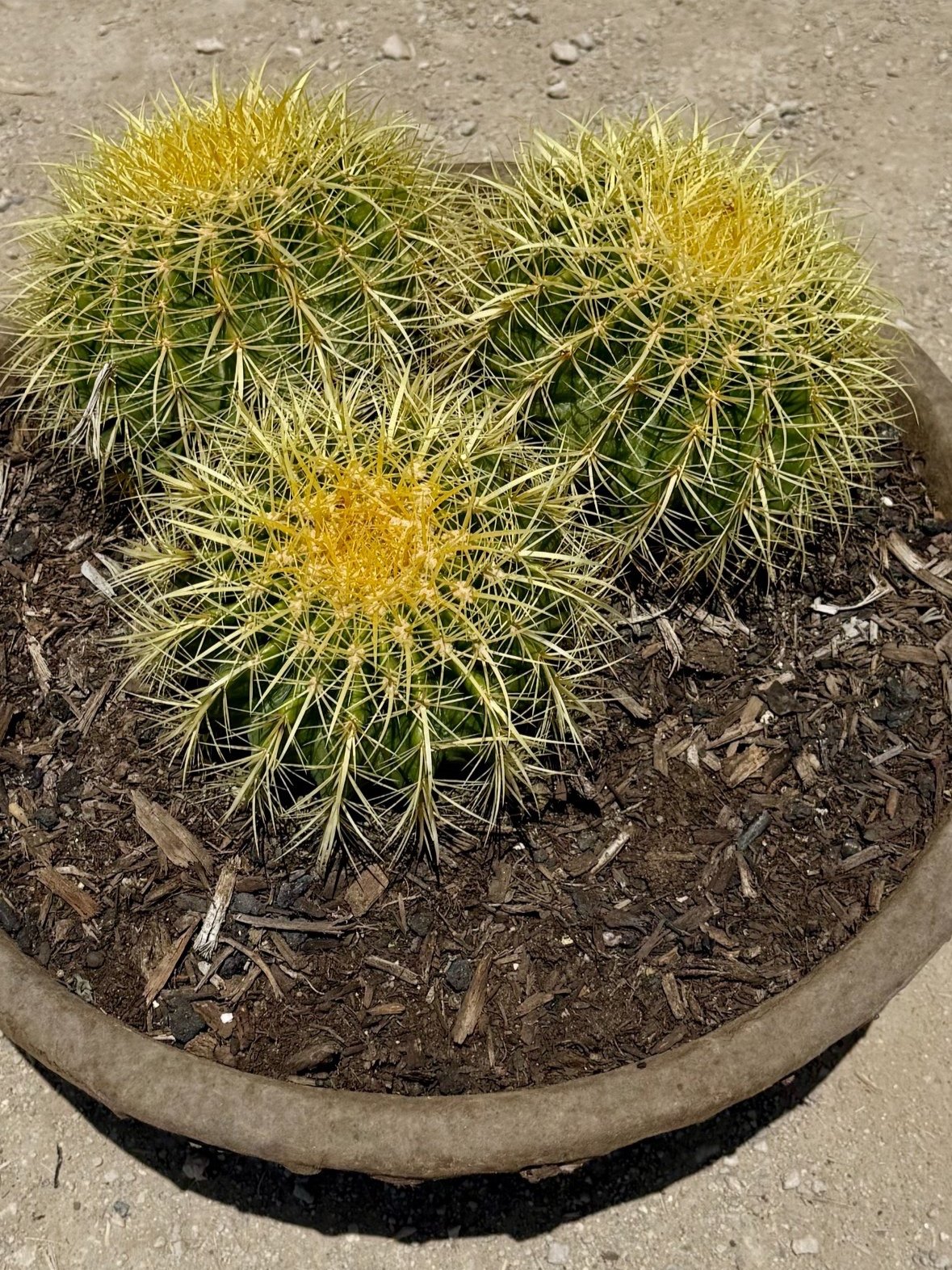
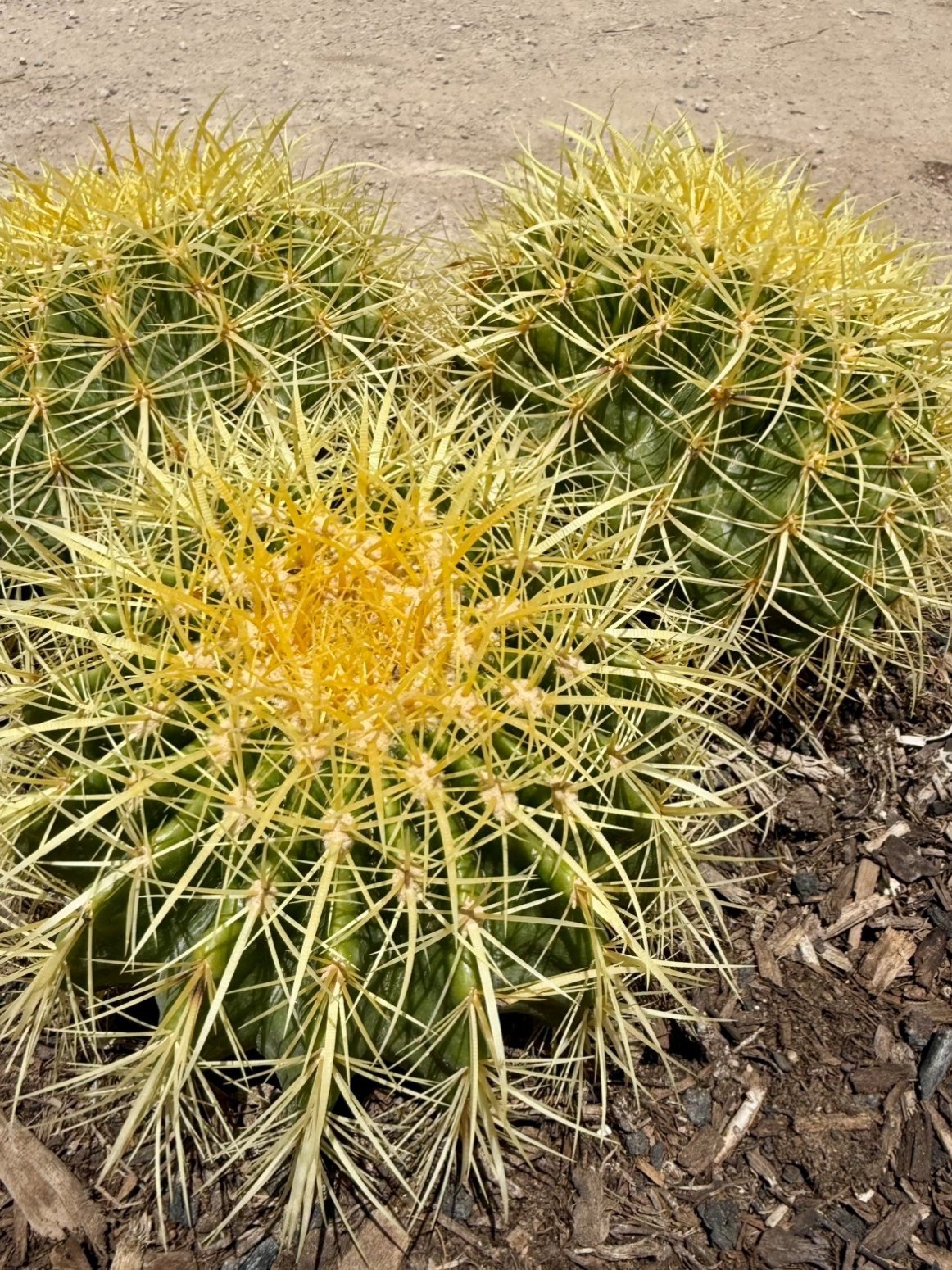
Golden Barrel
USDA Zones 9–11
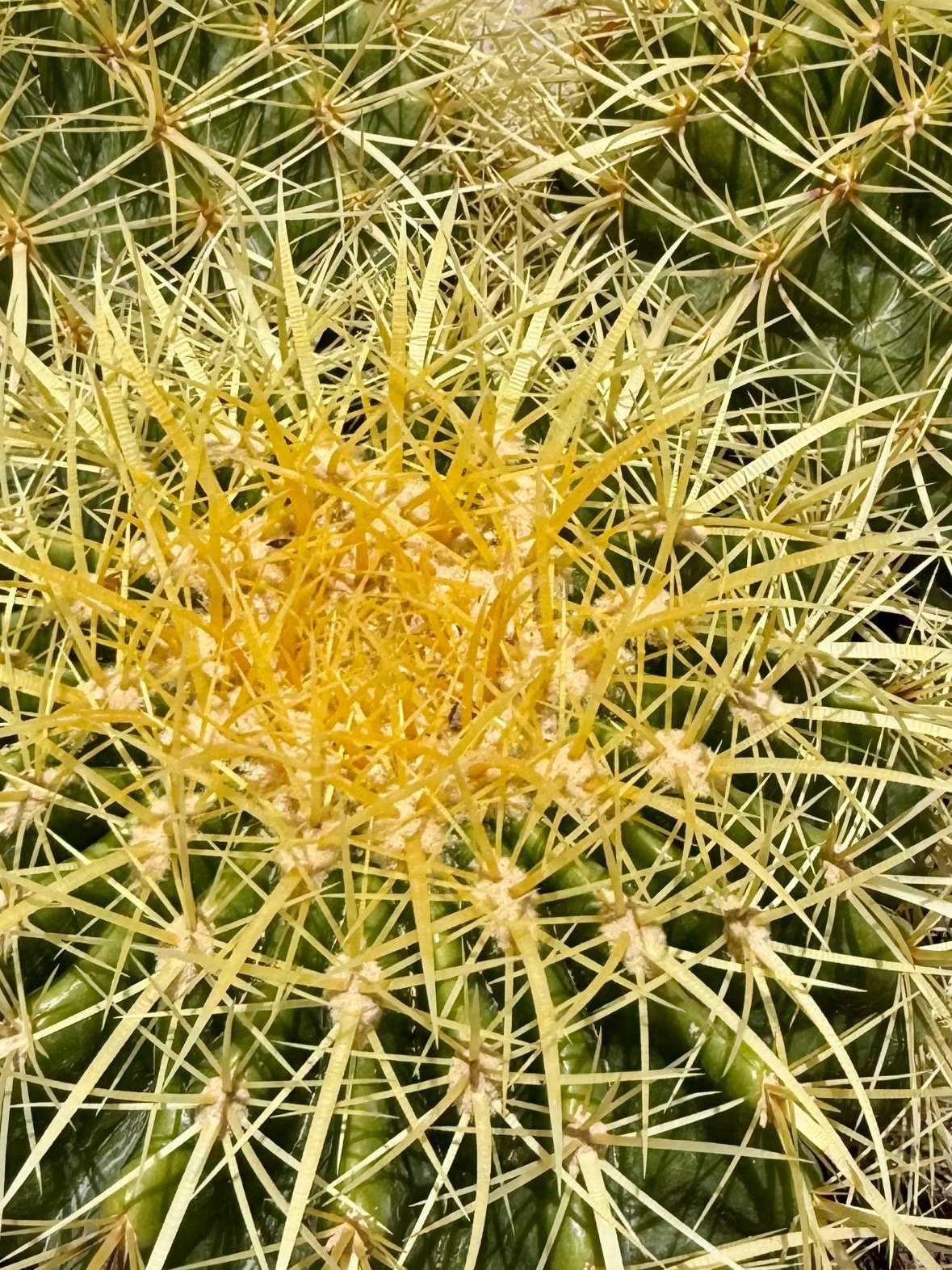
Commonly known as the Golden Barrel Cactus, this slow-growing plant is noted for its rounded shape and golden spines. It typically grows 1 to 2 feet wide, reaching up to 3 feet at maturity. Ideal for xeriscapes, rock gardens, and containers, it thrives in full sun and well-drained soil.
Lechugilla
USDA Zones 5-10
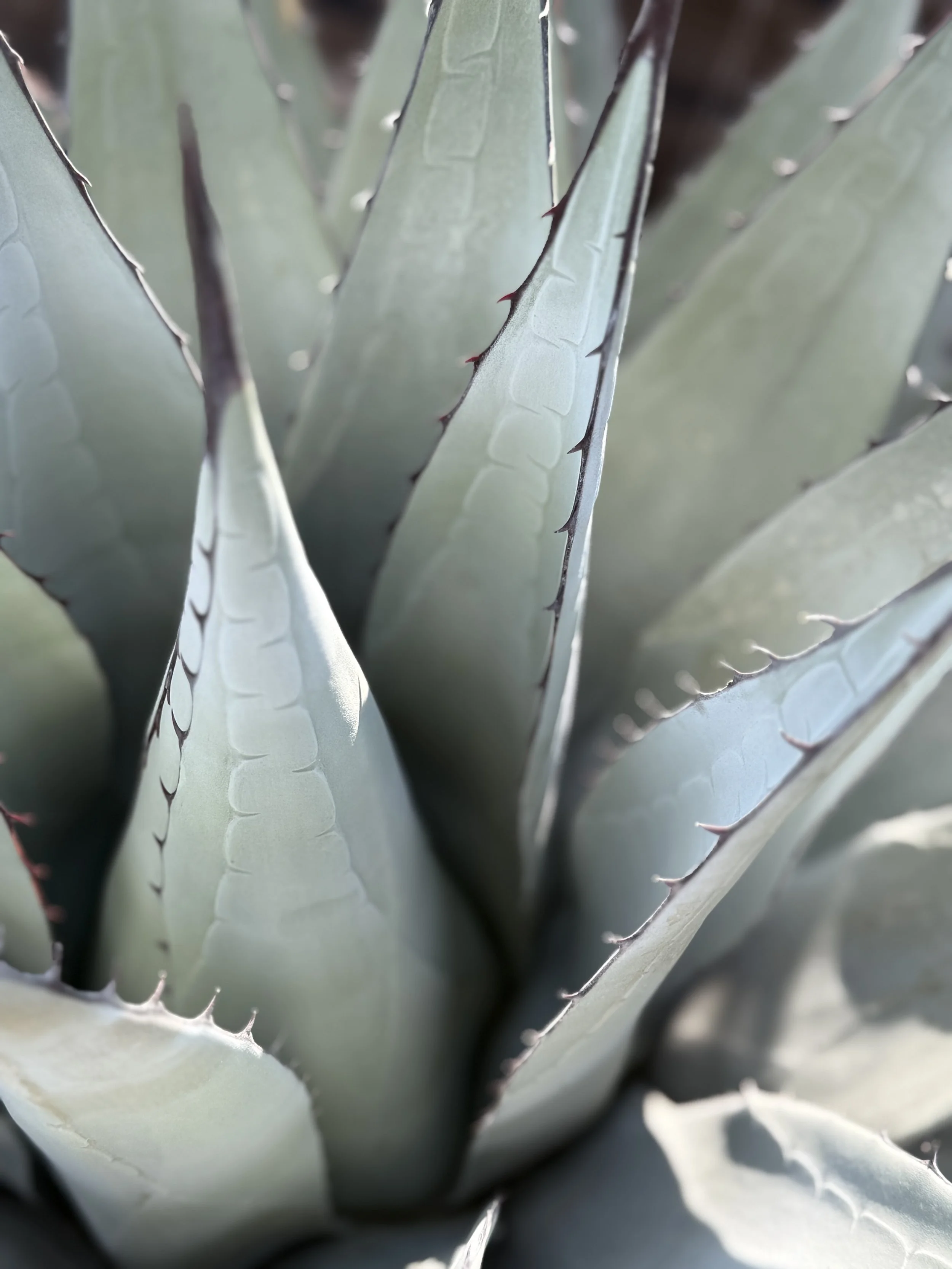
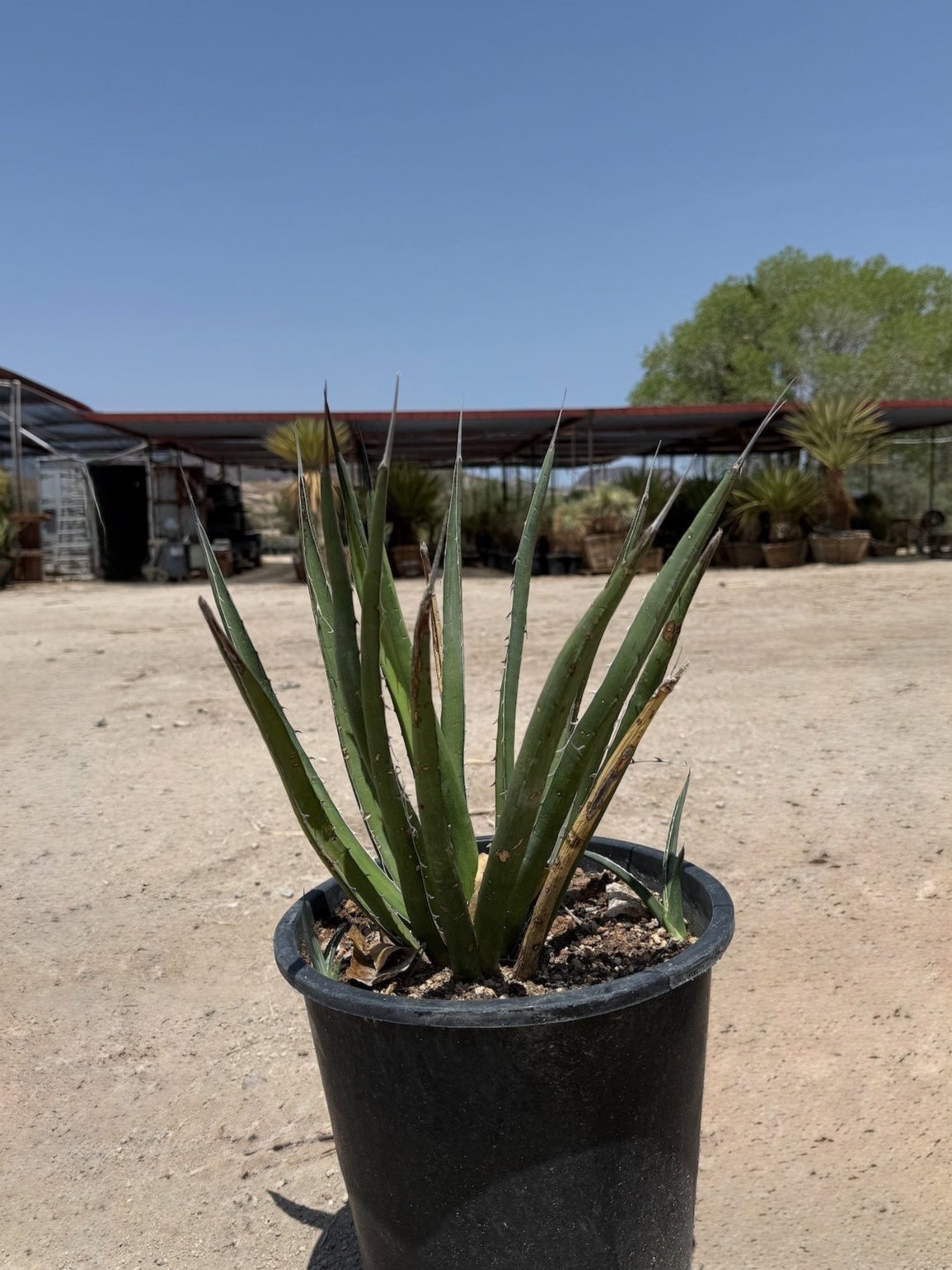
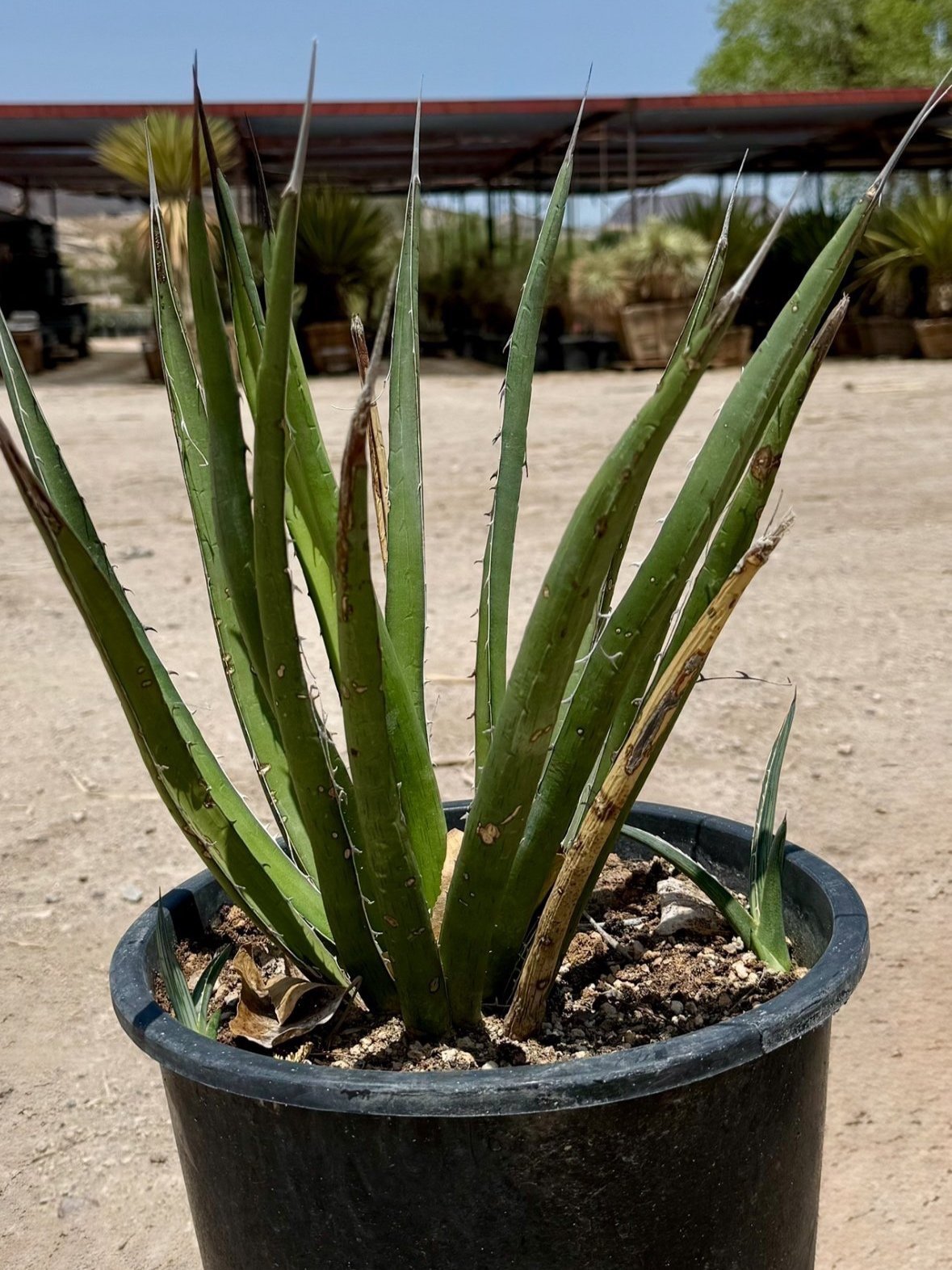
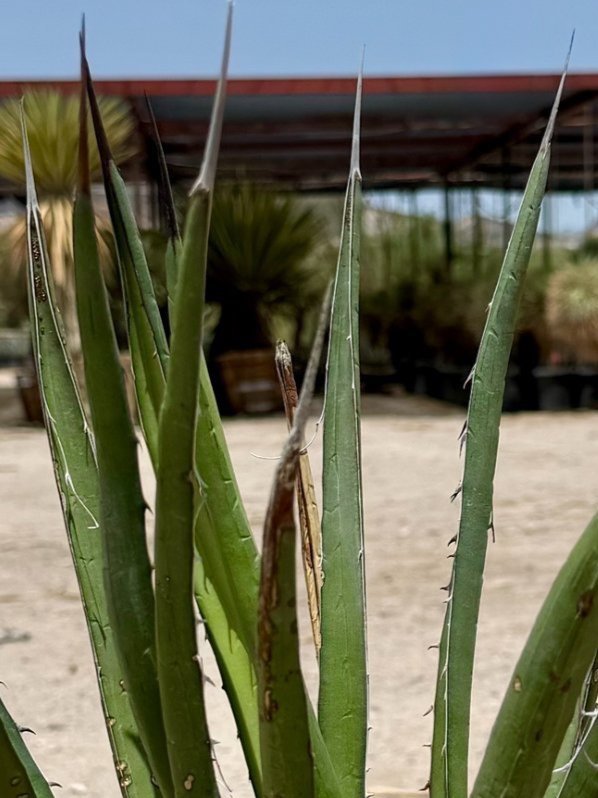
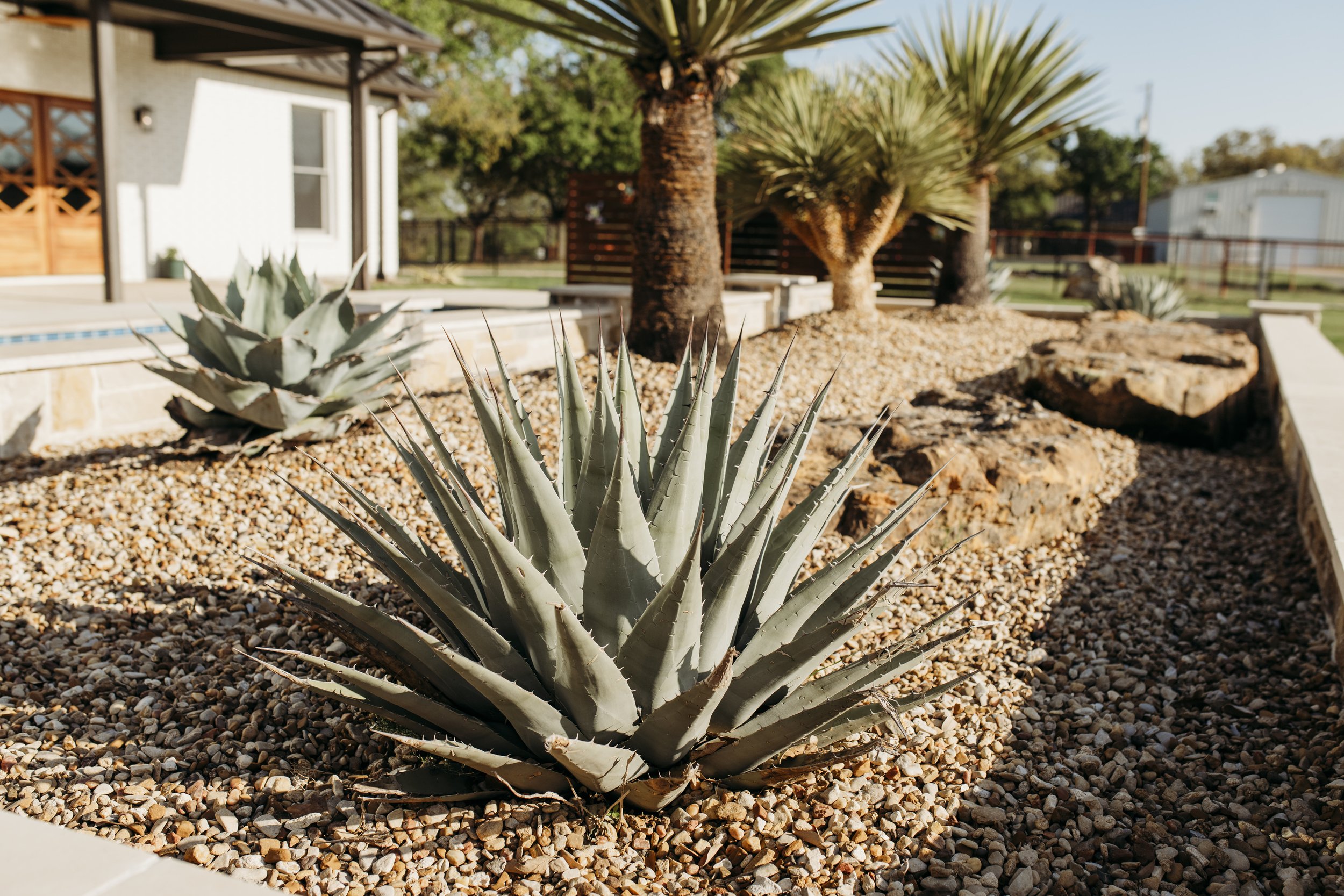
Lechuguilla is a native Chihuahuan Desert agave known for its compact rosette of narrow green leaves with sharp, rigid tips. It typically grows 1 to 2 feet tall and wide and spreads slowly by producing offsets over time. It thrives in full sun and well-drained soil and is exceptionally drought-tolerant once established. Its dense growth habit makes it well suited for xeriscapes, rock gardens, and erosion control on dry slopes.
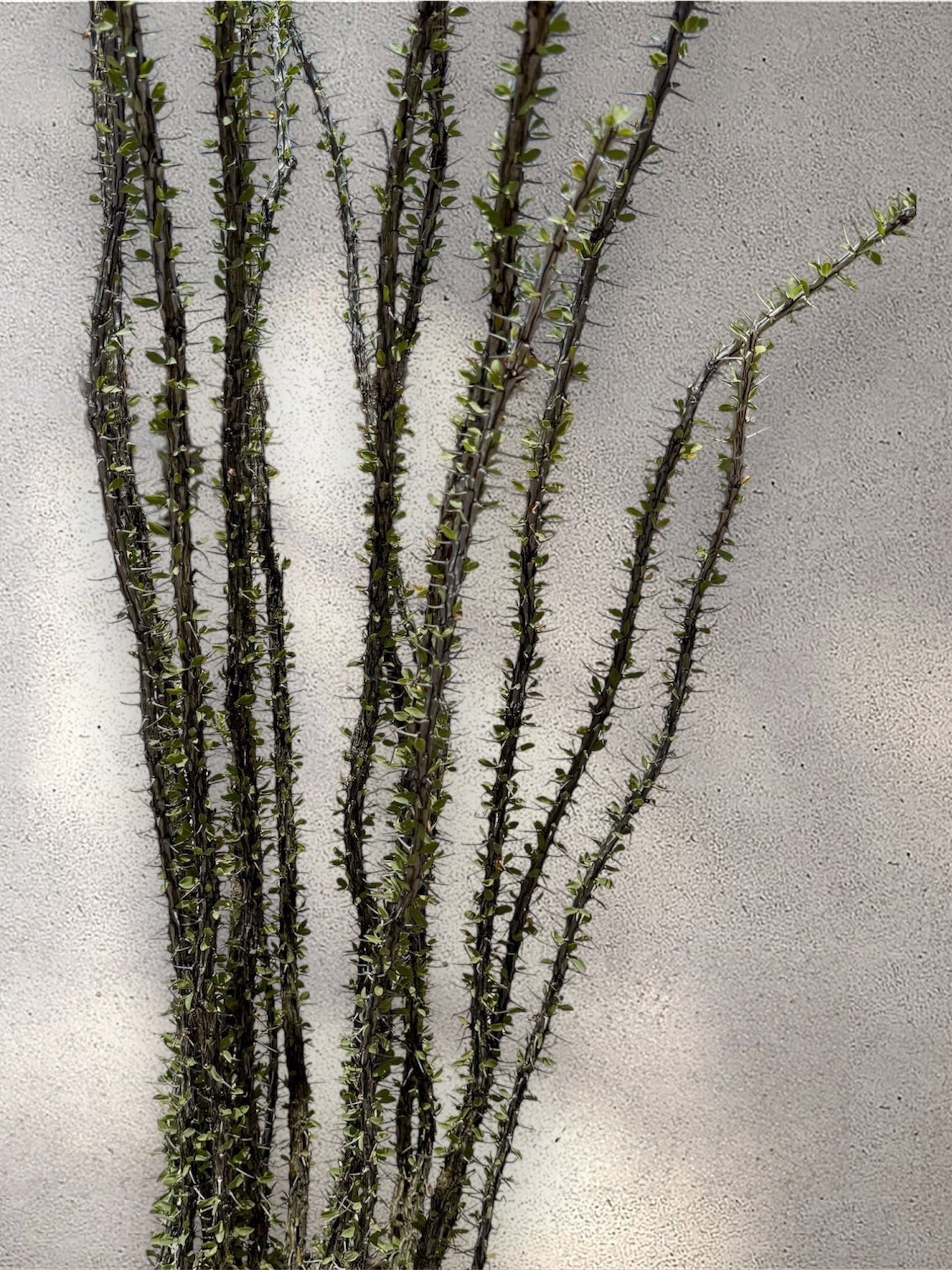
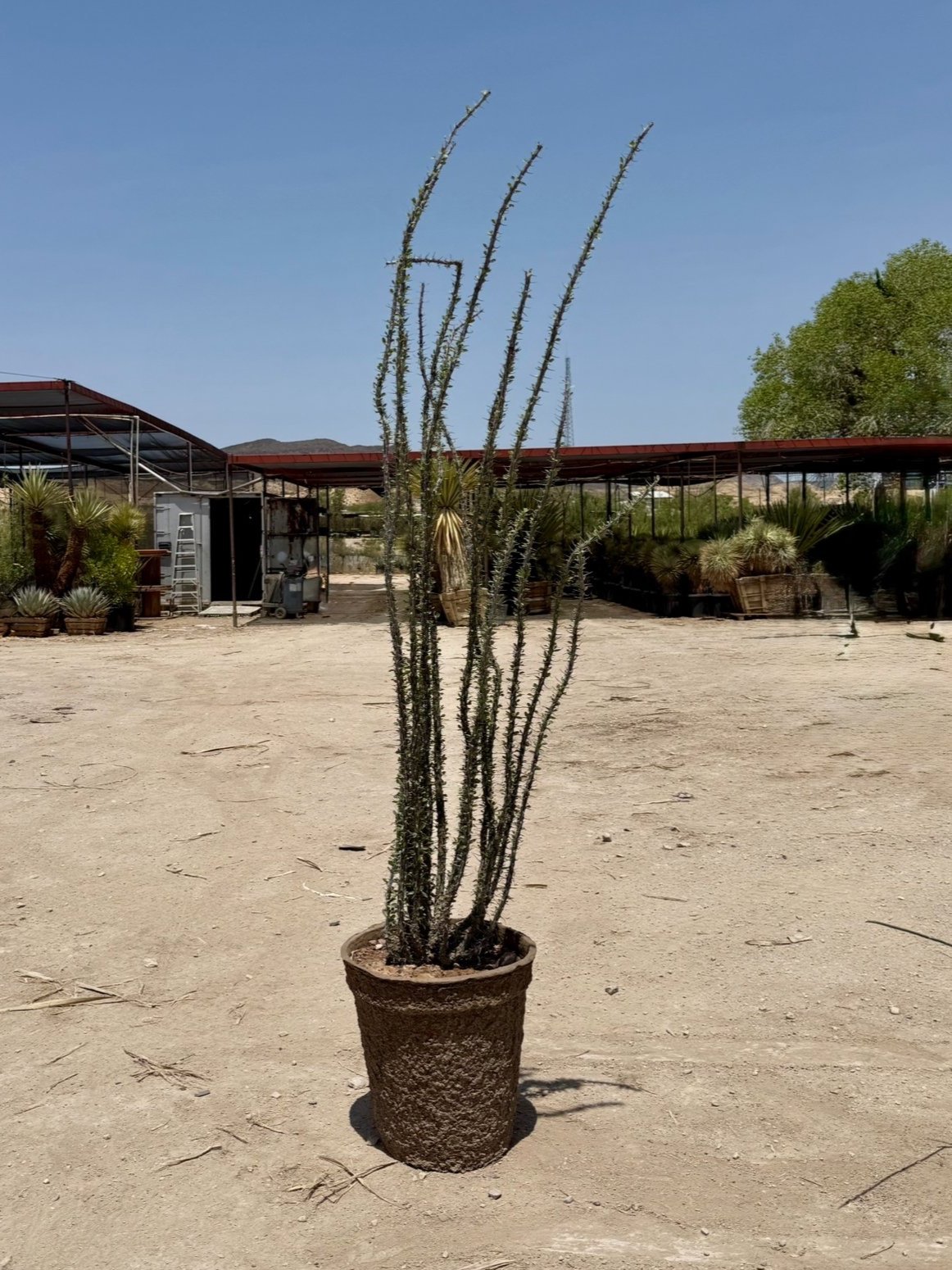
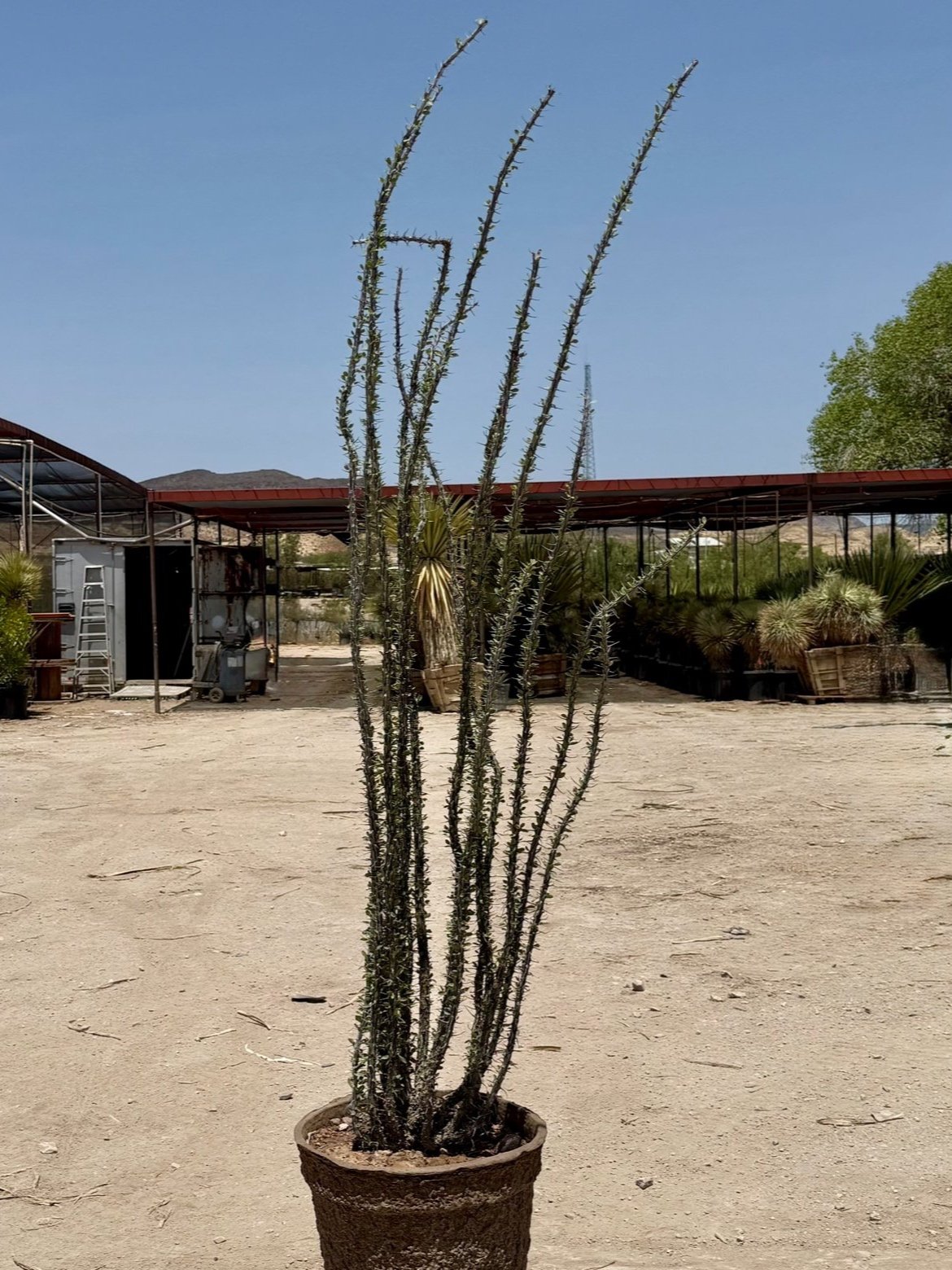
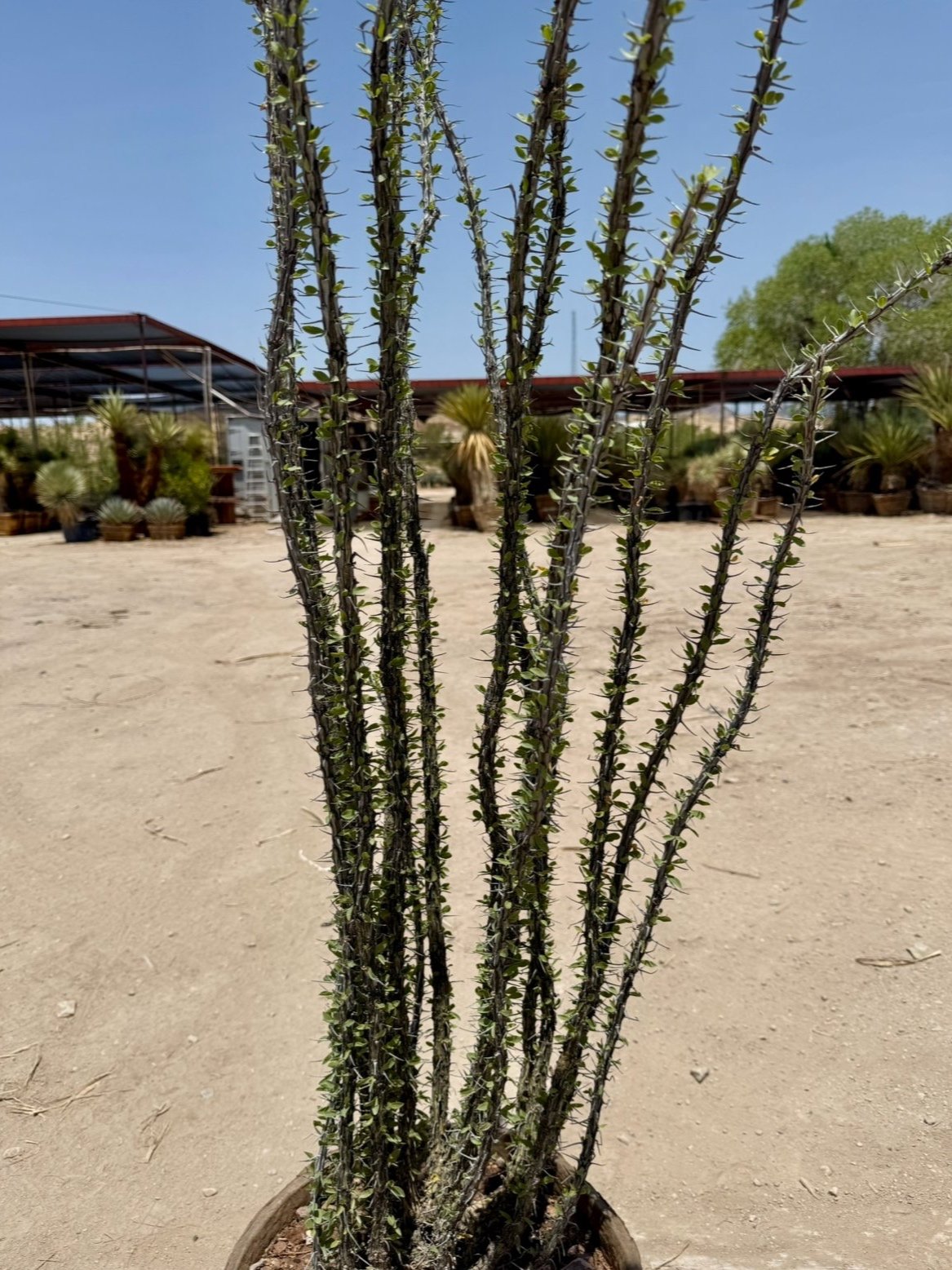
fouqueria splendens
USDA Zones 6-11
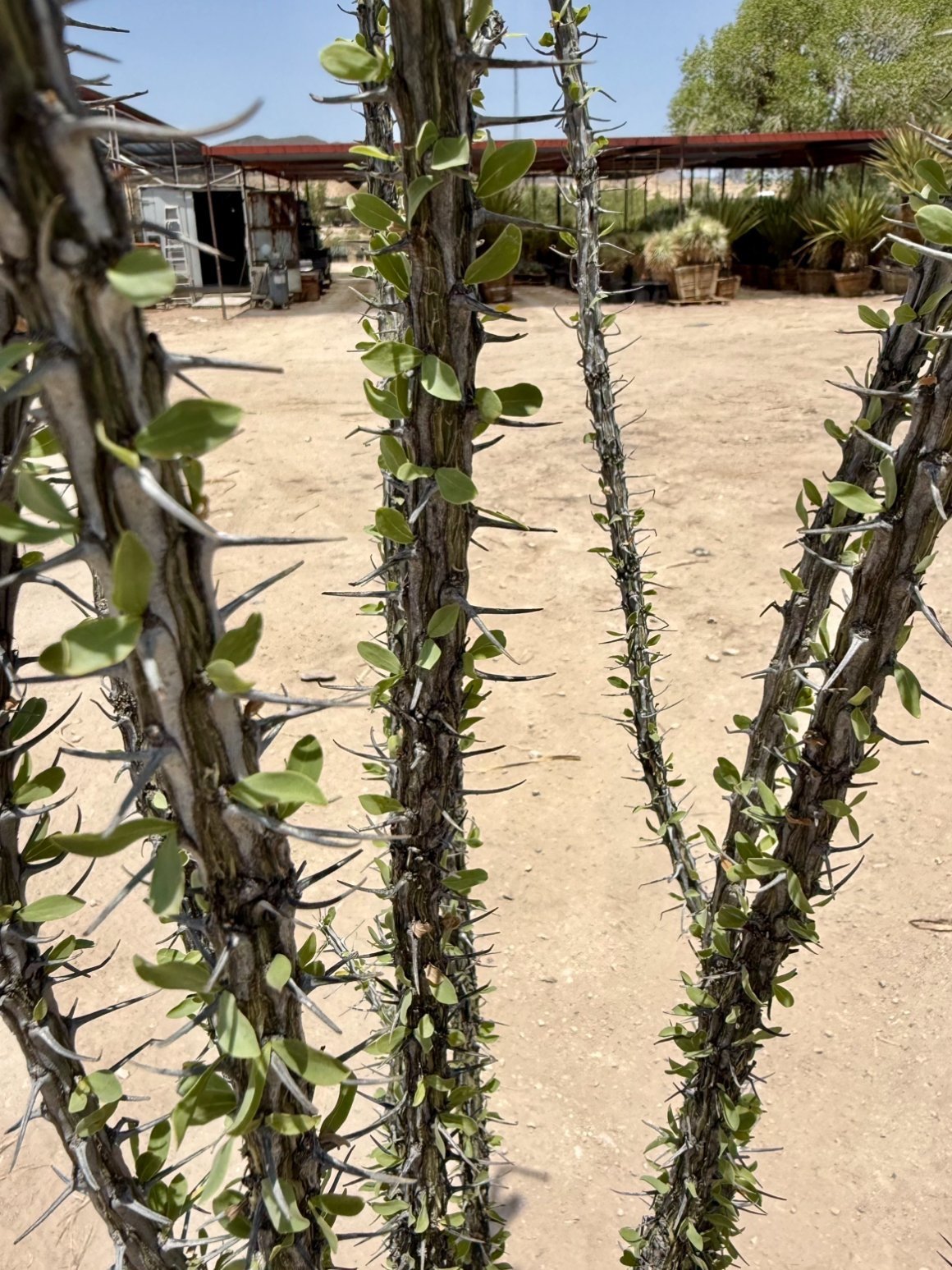
Ocotillo is a distinctive desert plant with tall, spiny canes that quickly leaf out after rain and shed leaves during dry periods. In spring, bright red flowers bloom at the tips, attracting hummingbirds. Native to the Chihuahuan and Sonoran Deserts, it thrives in full sun, well-drained soil, and is highly drought-tolerant. Ours typically stay under 10 feet tall and work well in xeriscapes and desert landscapes.
Agave neomexicana
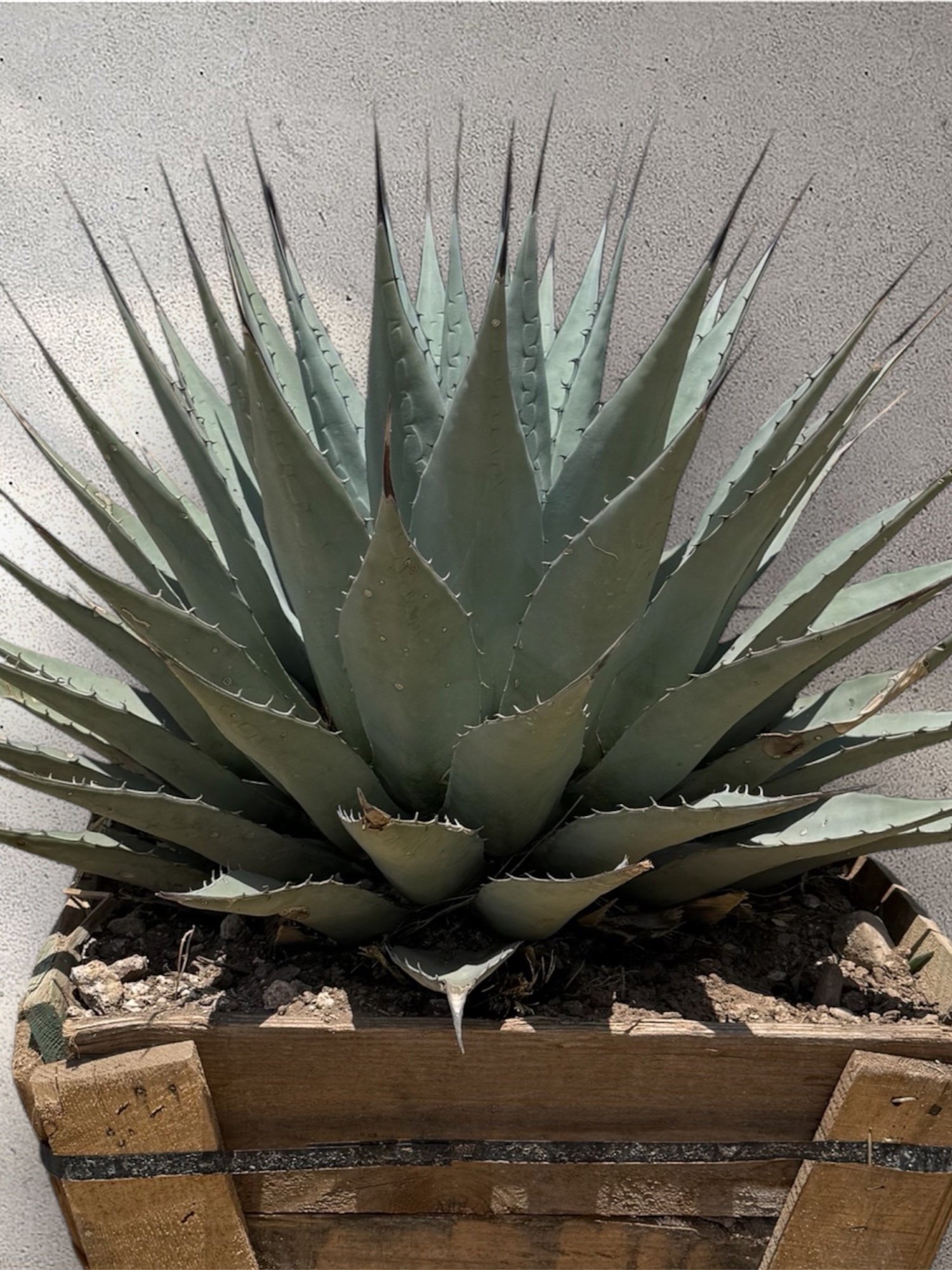
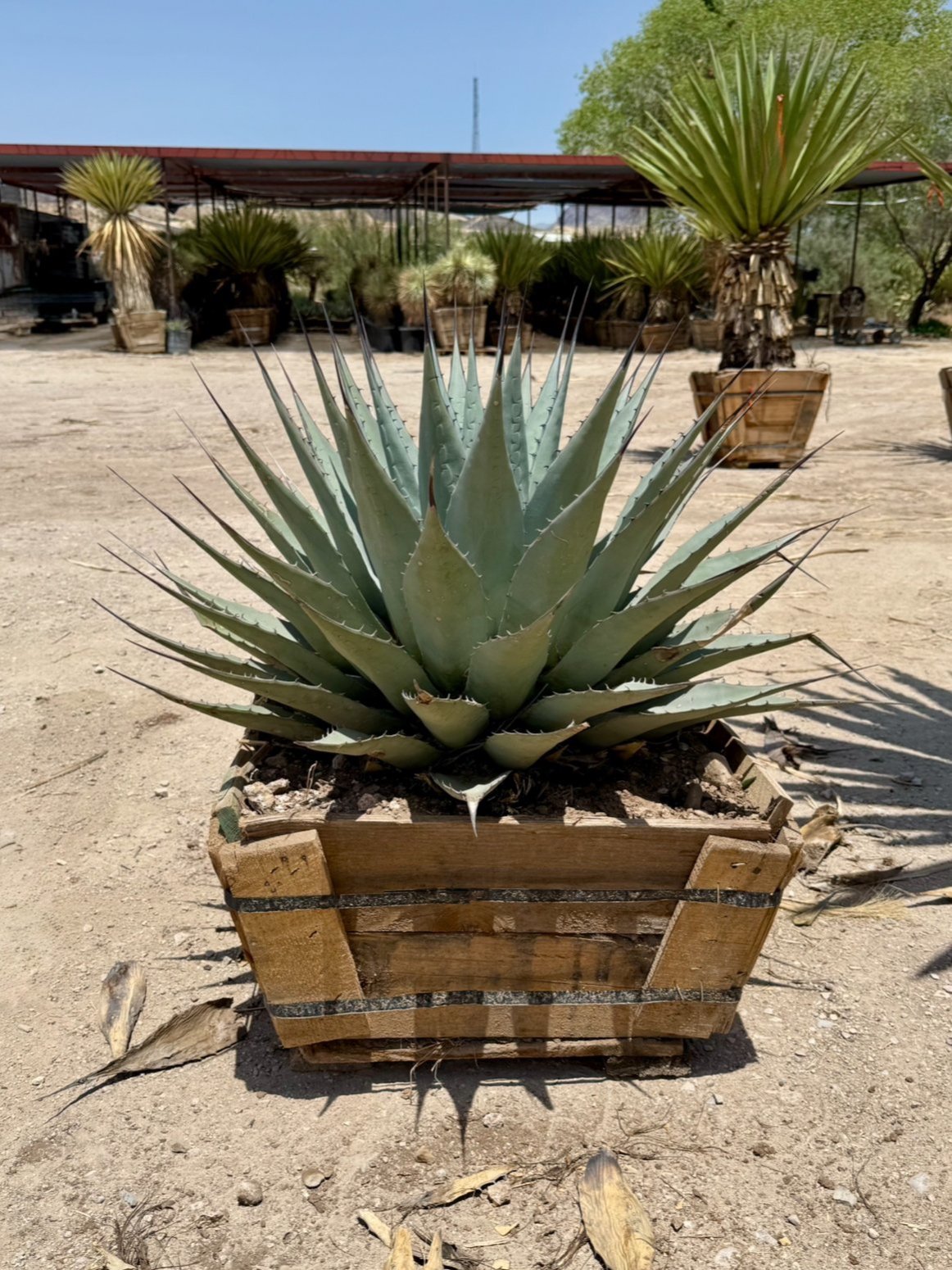
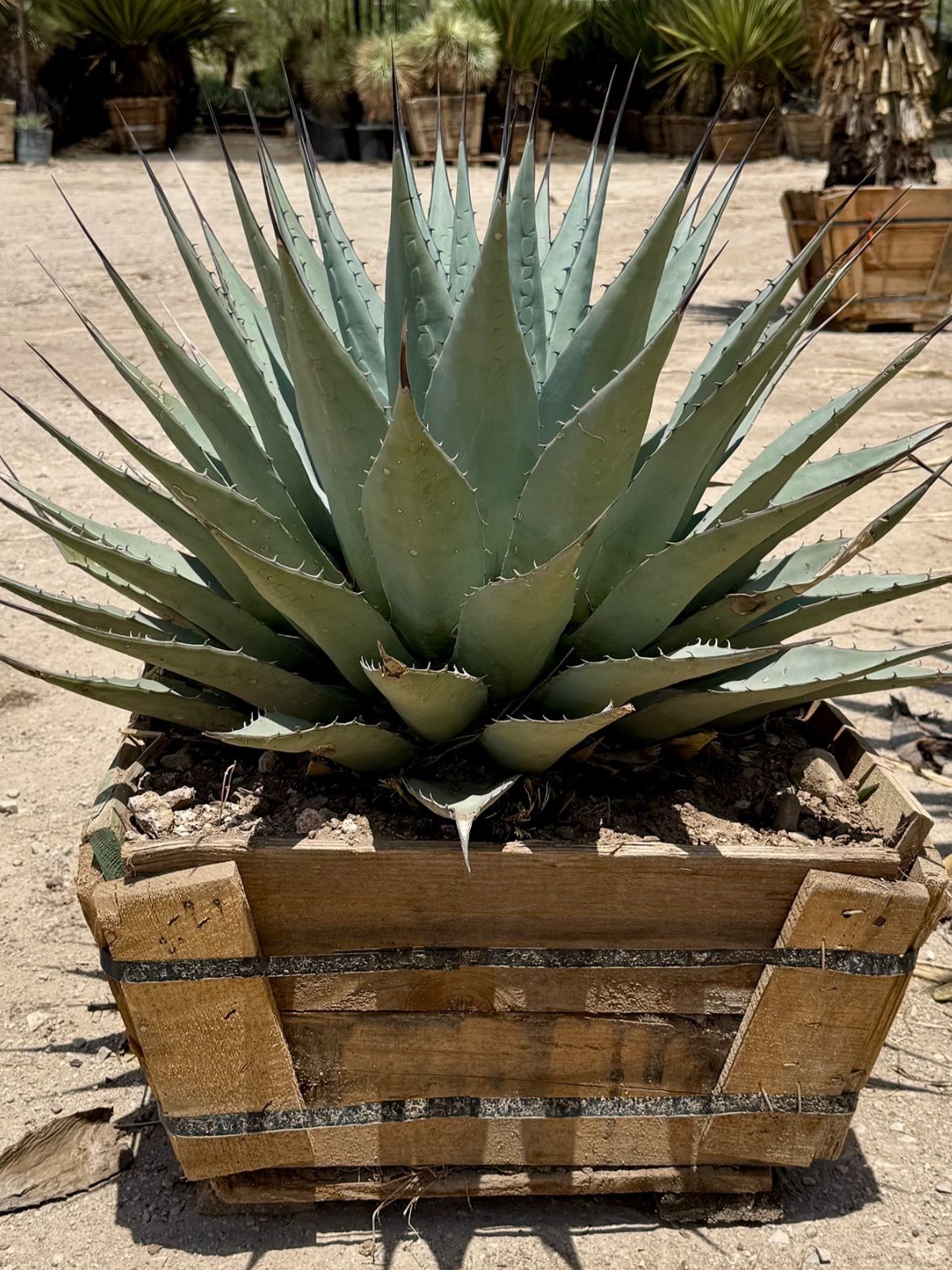
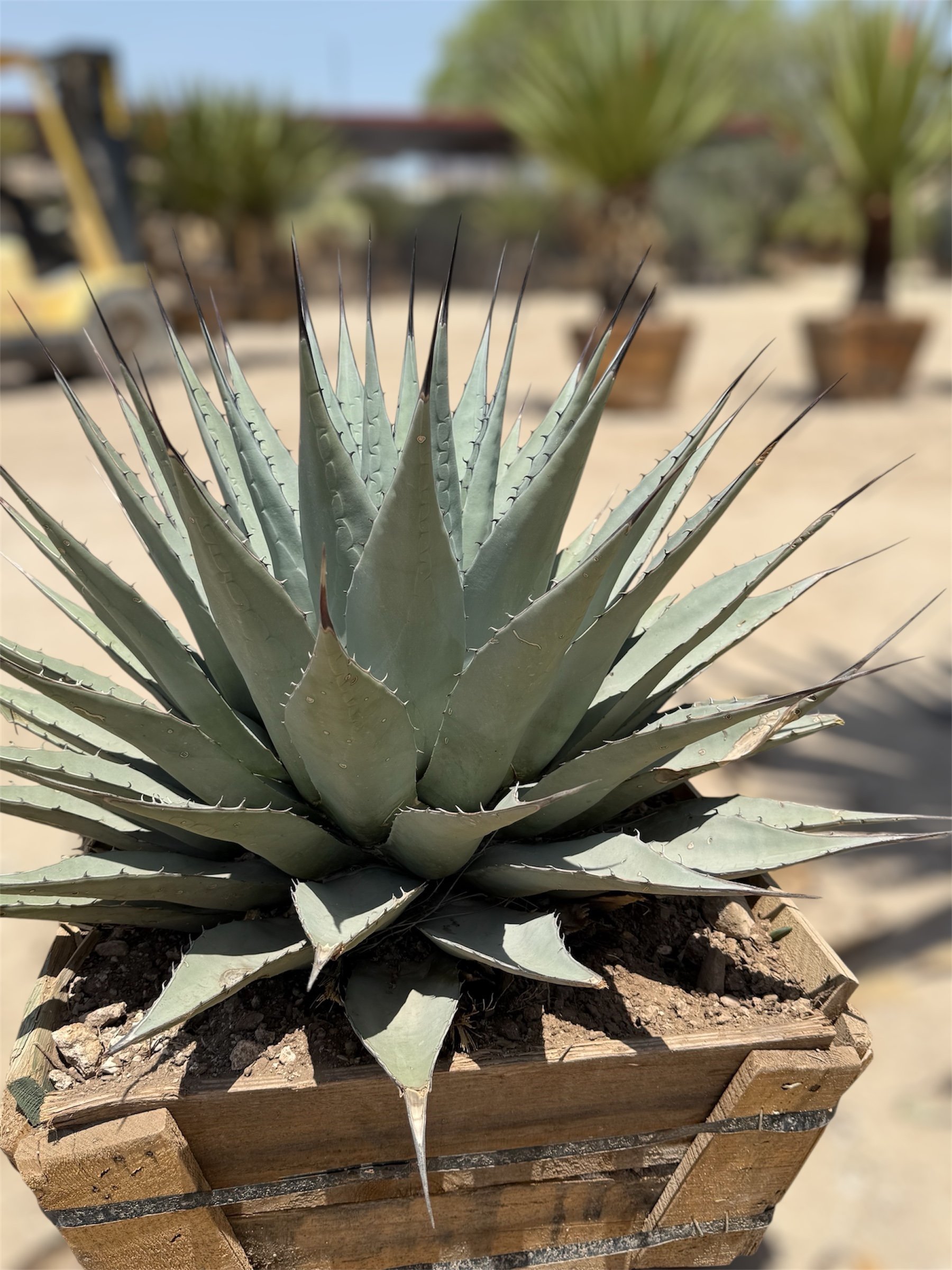
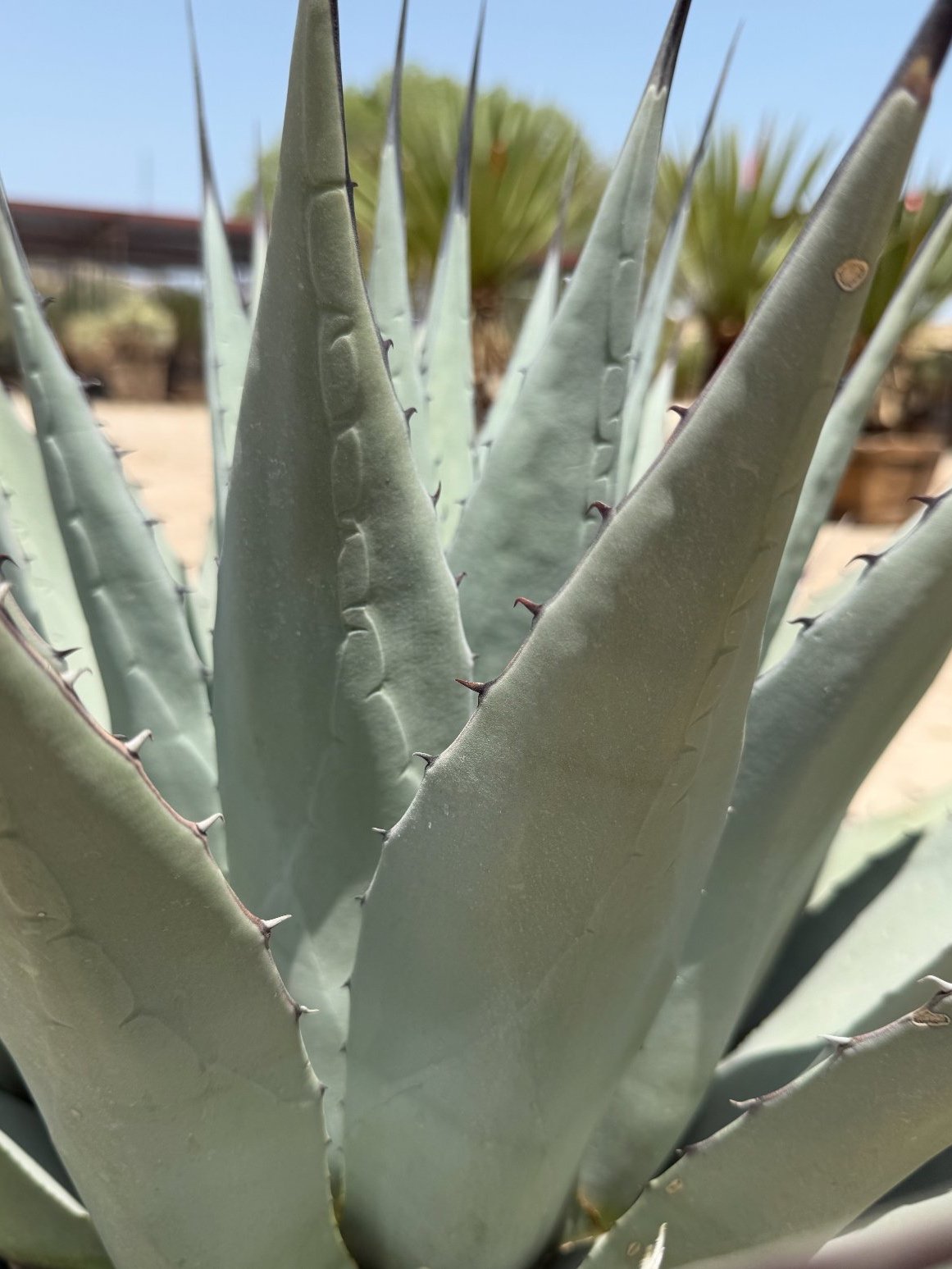
USDA Zone 4 (to -10°F) Agave Neomexicana is one of the most cold-hardy agaves, tolerating temperatures well below freezing once established. It forms a compact rosette of blue-green leaves with dark terminal spines and typically reaches 2 to 3 feet tall and wide. Native to the high deserts of New Mexico and West Texas, it thrives in full sun and well-drained soil.
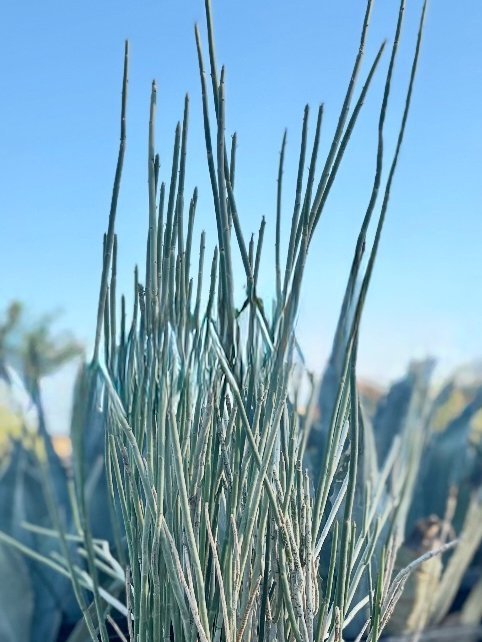
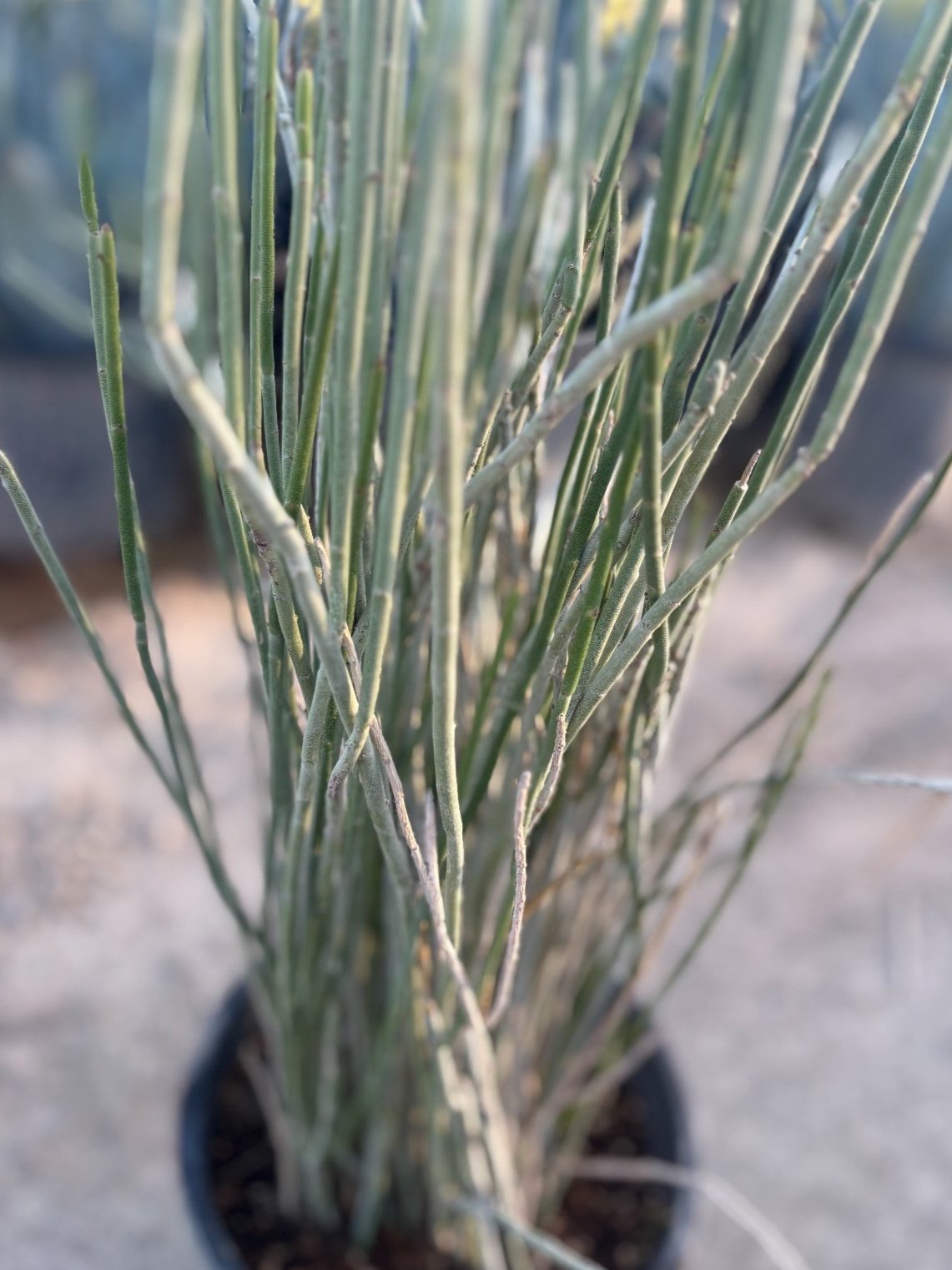
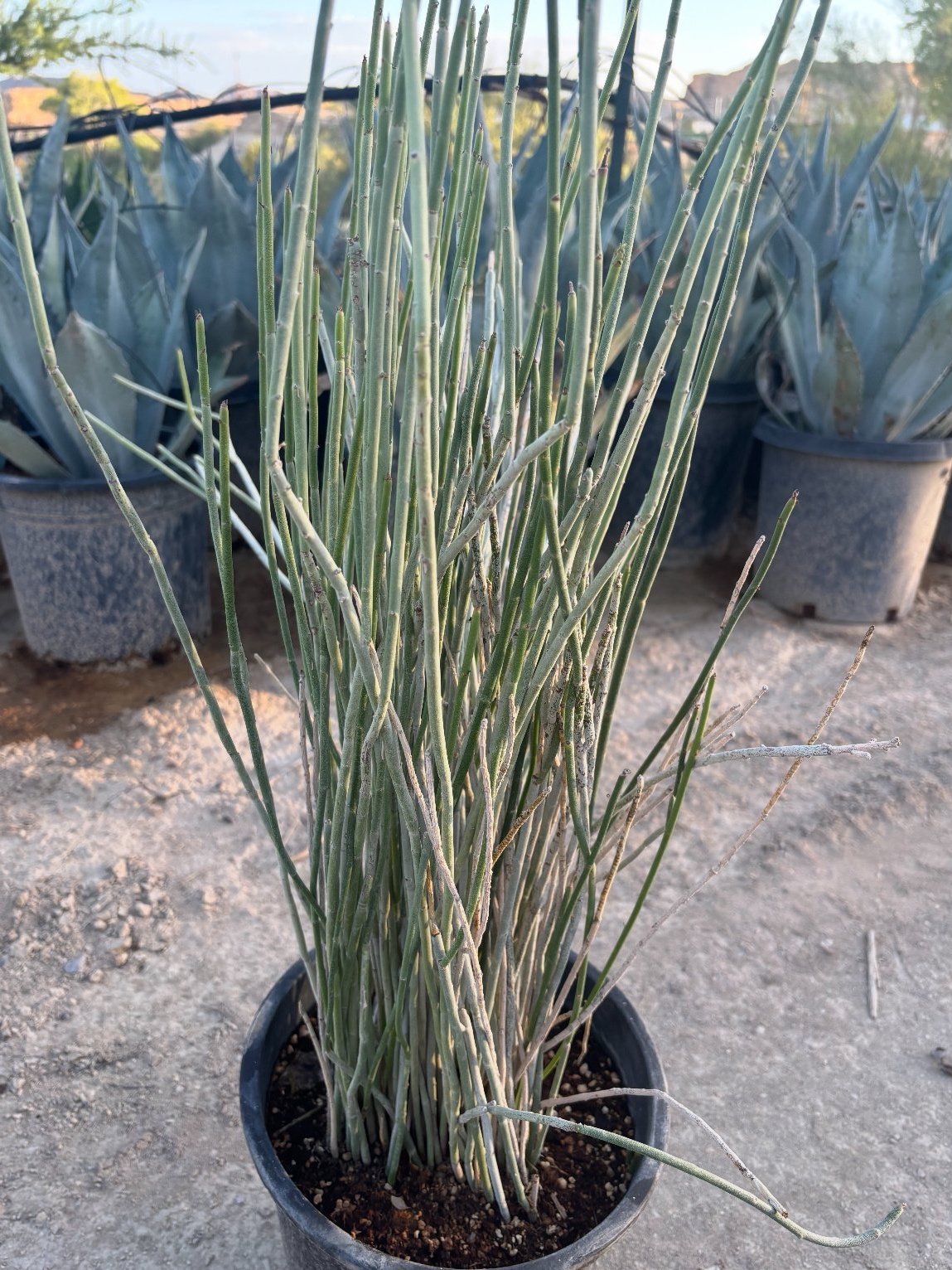
Euphorbia Antisyphilitica
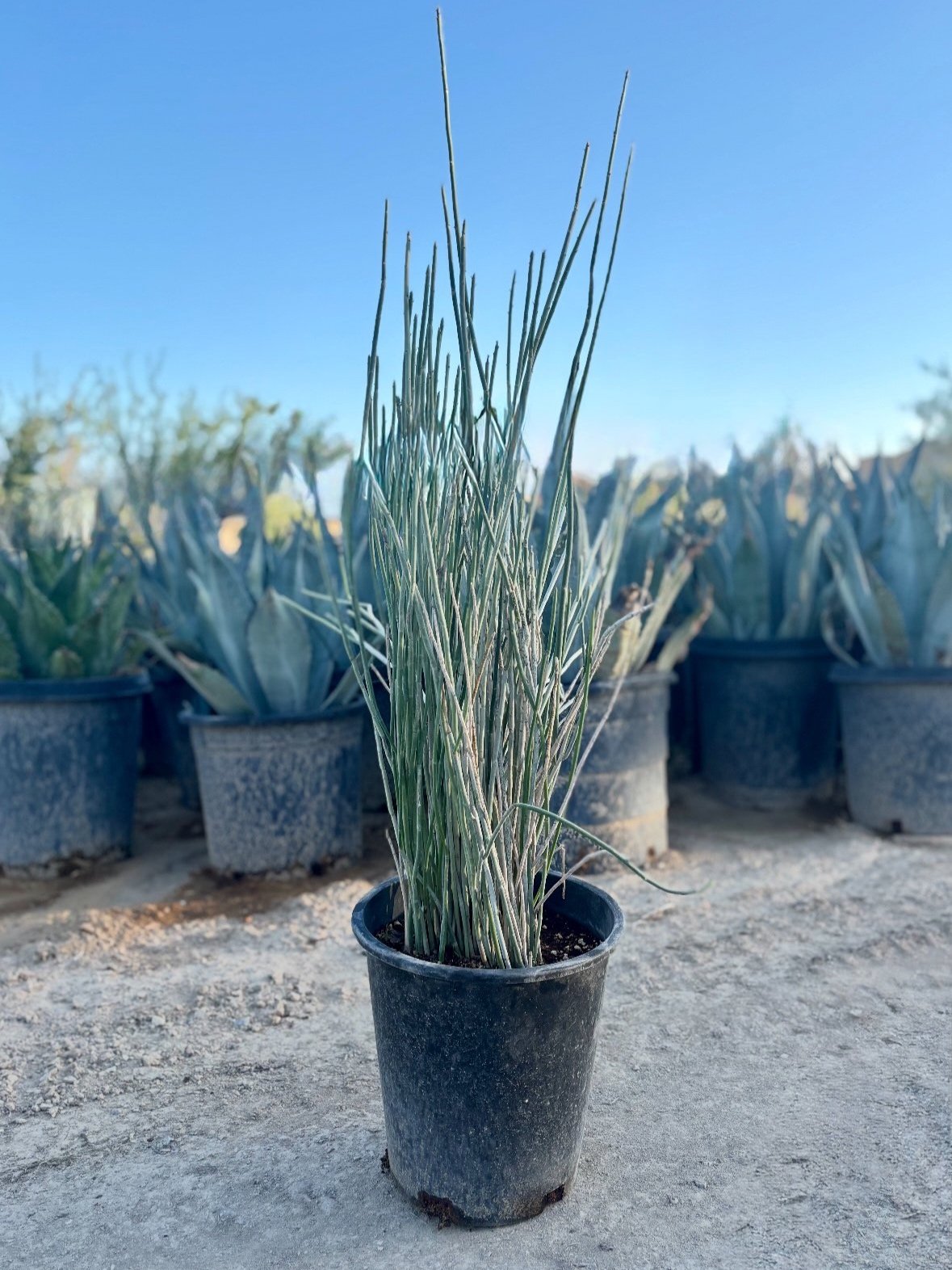
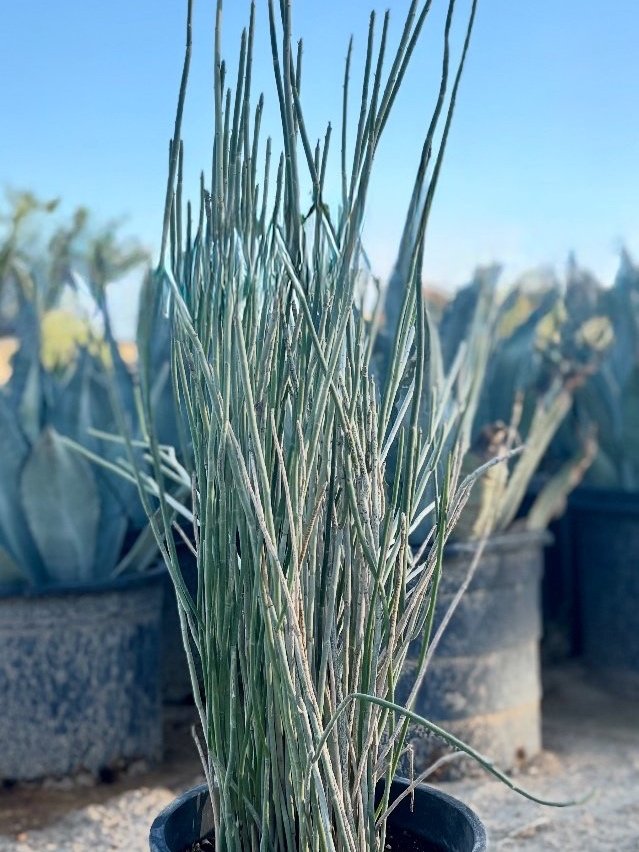
USDA Zone 7b
Candelilla is a spineless desert native that forms dense clumps of slender blue-gray stems. It typically grows 12 to 24 inches tall and spreads gradually over time, making it well suited for borders, rock gardens, and xeriscapes. Native to the Chihuahuan Desert, it thrives in full sun, well-drained soil, and is highly drought-tolerant once established.
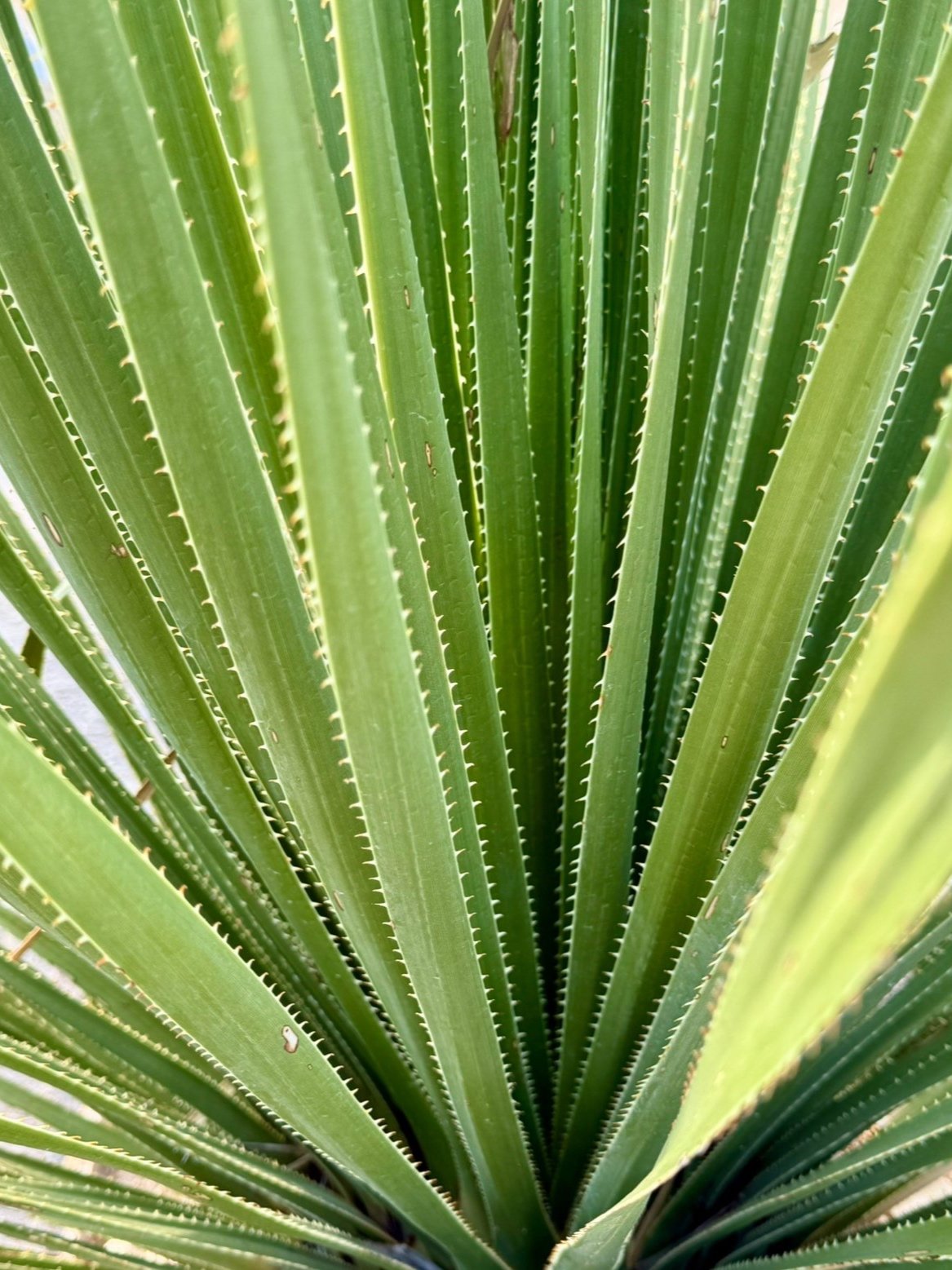
Dasylirion texanum


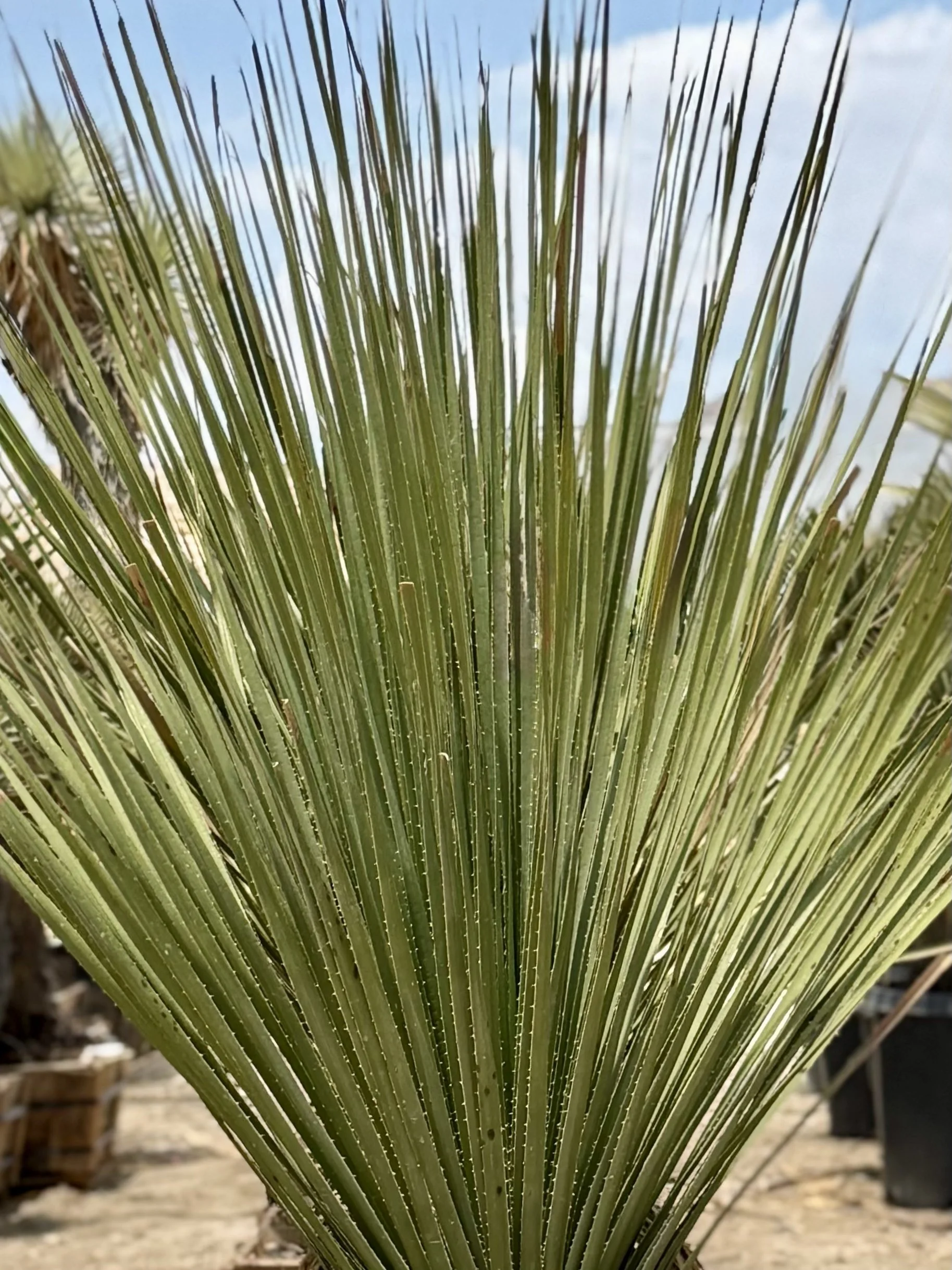
USDA Zone 7a
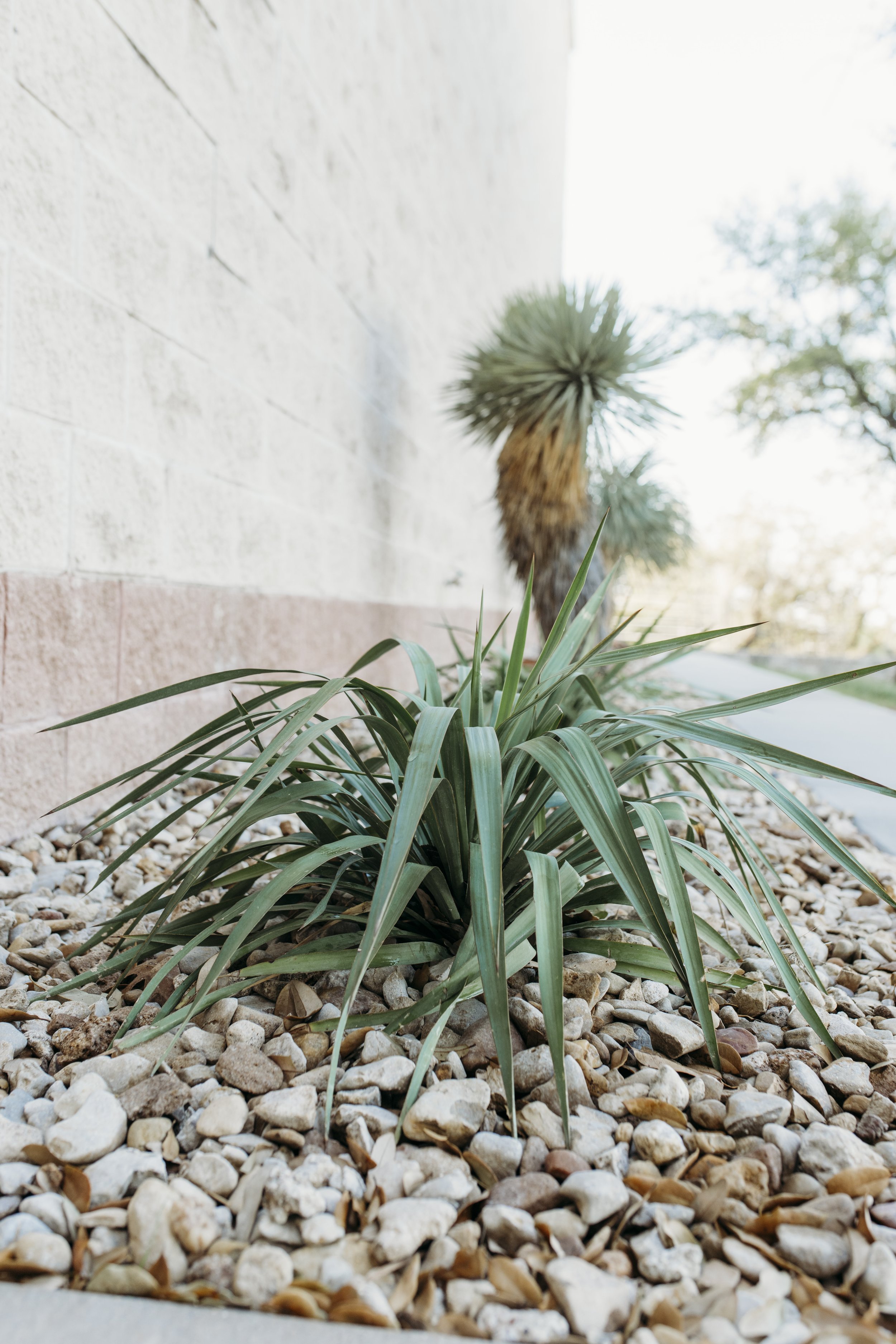
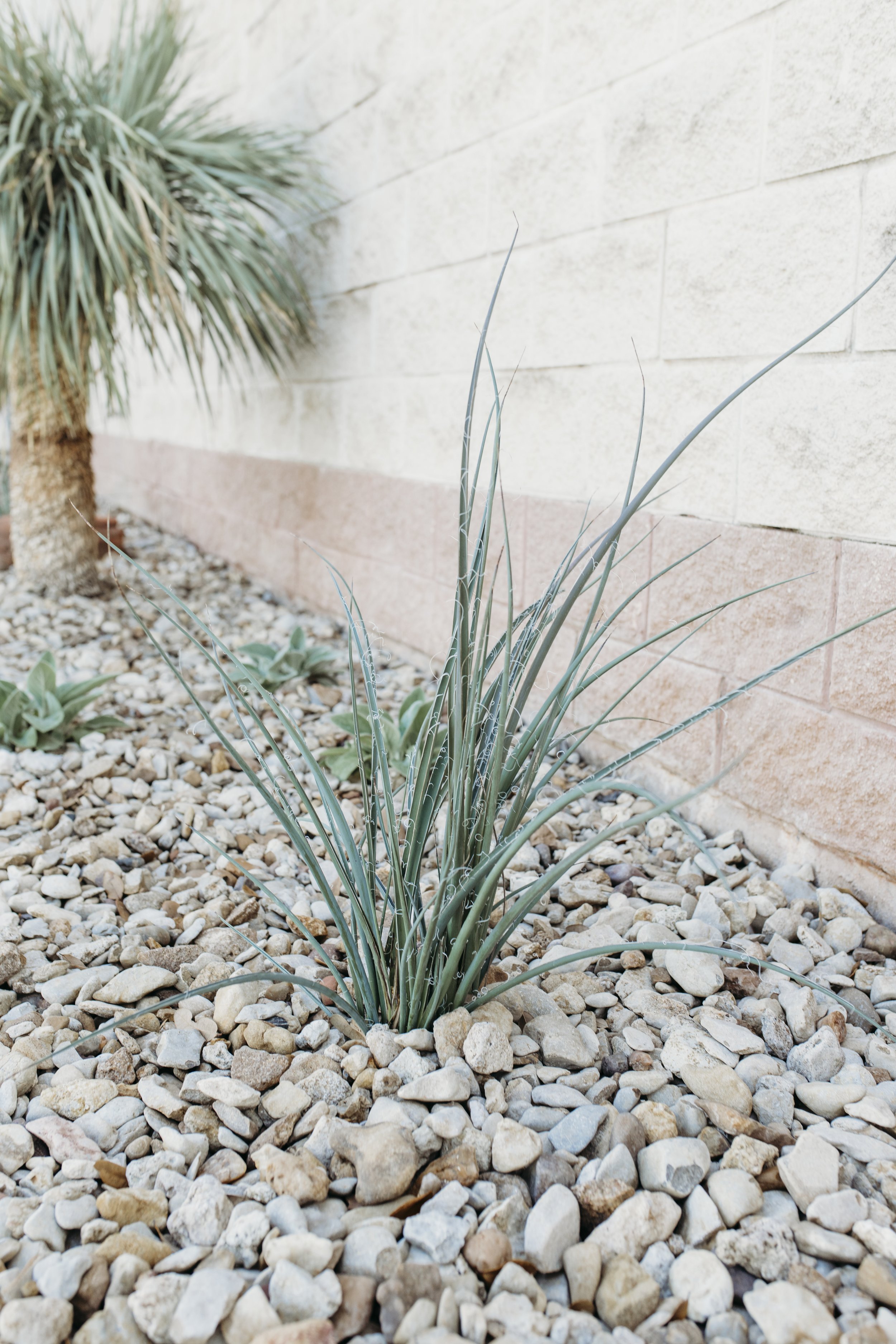
Texas Green Sotol forms a dense cluster of long, narrow green leaves that arch gracefully from a short trunk. It typically reaches about 3 feet tall and wide, with a softer, more open appearance than Desert Sotol. Native to Texas and northeastern Mexico, it thrives in full sun, well-drained soil, and is highly drought-tolerant once established.
Grown for Contractors. Loved by Landscapers.
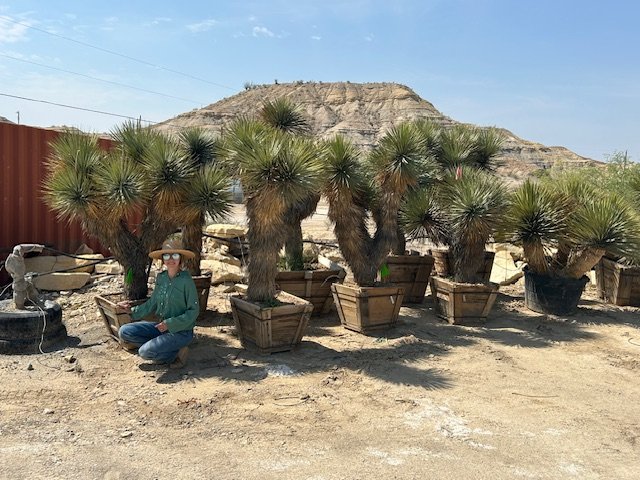
Based in West Texas, we supply wholesale desert plants to contractors, landscape professionals, nurseries, and commercial projects throughout the Southwest. Our inventory consists of wild-harvested specimens selected for quality, size, and durability.
We offer a wide selection of native and drought-tolerant plants, available bare root or container-grown to meet a variety of project needs. Whether you're sourcing large quantities or specimen-sized plants, we're committed to providing reliable inventory, knowledgeable service, and dependable shipping.
Wholesale only.

Dont know your zone?
Check yours here.
FAQs
-
Yes. We work with a third-party shipping company who uses CDL drivers to deliver the loads.
-
Depending on what you order, very rarely, do we allow customers to pick-up. If you decide to pick-up your order, we will not offer a guarantee on any products, and you must schedule an appointment time.
-
Yes! We encourage customers to get their orders in ASAP due to the estimated shipping time (especially out state customers)
-
No. We are a wholesale only
-
Please submit your information on the form at the bottom of the page. We will get back to you as soon as possible to get you this info! must have resale certificate
-
We are a very small crew, so we try to update this monthly. We harvest in the fall and spring so availability changes often!
Contact us
Have a question or need a quote? Email is the best way to reach us, and we'll respond as quickly as possible. If you prefer, you can also give us a call—we're always happy to help.